

Not all skin types demand the same when choosing a rosehip face cream. Some need extra nourishment, others a lightweight texture that doesn’t feel heavy, and many just want a simple routine that delivers hydration, comfort and a pampered feeling from the first use. That’s why this plant-based ingredient keeps earning its place in daily facial care.
Rosehip is especially valued for its ability to enhance routines focused on skin regeneration, softness and elasticity. In cream form, it’s often more convenient than pure oil because it combines the action of this active with other hydrating ingredients and soothing ones that make the product easier to use morning and night.
What a rosehip face cream offers
A rosehip face cream typically suits dry, mature, dull or tight-feeling skin very well. Its main appeal lies in helping to keep skin nourished and supple, promoting a smoother, more comfortable look. It’s not about expecting overnight miracles, but rather about noticing a gradual improvement with consistent use.
Many rosehip formulas focus on reducing dryness and enhancing the face’s well-cared-for appearance. Skin can look more rested, feel softer and be less rough to the touch. When the formula is well balanced, it can also help restore freshness without leaving an overly greasy film.
Recommended products
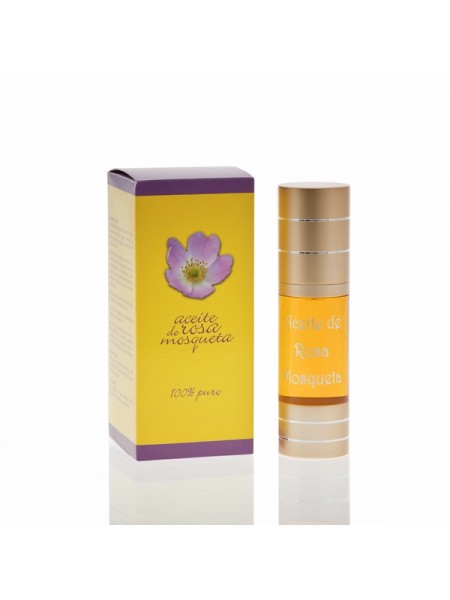
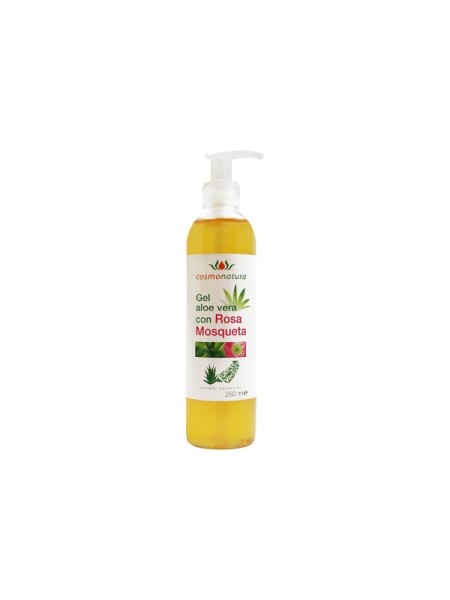
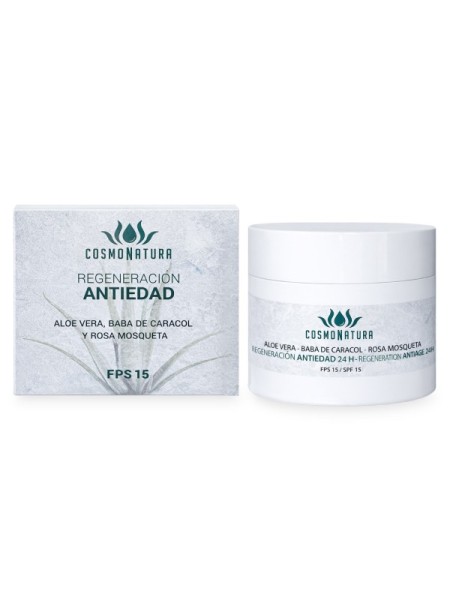
Another plus is its affinity for regenerating routines. That’s why it often appeals to those seeking daily nourishment, especially during cold seasons, seasonal changes or whenever the skin feels more reactive or dehydrated.
Recommended skin types
Let’s be realistic. Although rosehip has a great reputation, not every cream works the same on every face. It depends on the ingredient concentration, the final texture and the other actives included.
Dry or dehydrated skin
This is probably the skin profile that benefits most from this type of cream. If your skin feels tight after cleansing, flakes in some areas or loses comfort throughout the day, a nourishing formula with rosehip can provide relief and help maintain hydration.
Mature skin
Rosehip is often used in cosmetics designed to improve elasticity and softness. For mature skin, a well-formulated cream can deliver a nourishing feel, enhance comfort and support routines aimed at keeping the face more supple and cared for.
Sensitive skin
It can be a good option, but with caveats. If your skin is sensitive, you should check that the cream doesn’t have an overly perfumed formula or potentially irritating actives. In those cases, simpler, soothing formulations with well-balanced botanical ingredients tend to work better.
Combination or oily-prone skin
It’s not off-limits, but you need to choose carefully. A rich-texture rosehip face cream can be too heavy if your skin produces excess oil or tends to shine. In these cases it’s better to look for lighter, fast-absorbing versions and use them sparingly, especially during the day.
How to choose a good rosehip facial cream
Rather than focusing solely on the ingredient name on the label, it’s worth considering the formula as a whole. A good cream isn’t defined only by the presence of rosehip, but by how it combines with other actives to enhance daily use.
If you’re after comfortable hydration, look for ingredients that help retain moisture in the skin, such as aloe vera or glycerin. If you also want a more soothing sensation, calendula or certain plant extracts can add softness. And if your priority is a regenerating routine, a richer texture at night can be particularly appreciated.
The user experience also matters a lot. An overly greasy cream may end up abandoned on the shelf, no matter how good its composition is. On the other hand, when a texture absorbs well and leaves the skin comfortable, it’s easier to stay consistent. And in facial skincare, consistency often makes a bigger difference than quick promises.
When to use it: day, night or both
There’s no one-size-fits-all answer. It depends on the cream’s texture and how your skin responds.
During the day, many prefer a rosehip formula that hydrates without leaving a heavy feeling. If you’re applying makeup or sunscreen afterward, this becomes even more important. A lightweight cream eases your routine and prevents the skin from feeling overloaded.
At night, however, a more enveloping texture is often welcomed. This is when many dry or mature skin types benefit most from a more nourishing cream, as it works like reparative support while you sleep. If your skin is easily affected by cold, wind or indoor heating, night-time use can be especially helpful.
Some use it twice a day, while others prefer to reserve it for the night. Both options are valid as long as your skin responds well and the formula meets your actual needs.
How to apply rosehip face cream
Application also affects the result. You don’t need to use a lot. A small, well-spread amount is usually enough for the face, neck and, if you wish, the décolletage.
Ideally, apply it on clean skin, after your toner or usual prep product. If your routine includes serum, the cream goes on afterward. Spread it with gentle strokes, without rubbing too much, and pay attention to areas that usually need extra comfort, like the cheeks, around the mouth or forehead.
If the formula is rich and your skin is combination, adapt the amount by zone. This small gesture helps personalize your routine without complicating it. Well-made natural cosmetics shouldn’t feel hard to use, but rather pleasant and easy to stick with.
Ingredients that pair well with rosehip
Rosehip works especially well when part of a balanced formula. Aloe vera, for example, brings freshness and hydration and helps make the cream more comfortable for daily use. That’s why it’s such a popular combination in routines that seek plant-based care without excess.
It also pairs nicely with ingredients like calendula, aimed at providing softness, or with humectant agents that help keep skin supple. In brands focused on botanical care, like Aloeveraymas, this logic of combining plant actives makes a lot of sense: it’s not just about adding trendy ingredients, but about creating formulas that are useful for everyday life.
What you should watch out for is excess. Sensitive or unbalanced skin doesn’t always appreciate formulas overloaded with actives, even if each sounds good on its own. Sometimes a simple, well-formulated and easy-to-tolerate cream gives better results than a heavy composition.
What results you can expect
The best way to assess a rosehip facial cream is by observing real, lasting changes. Typically, you’ll first notice more comfort, less tightness, and a softer skin texture. Then, with continued use, you may see a more supple, nourished and even-looking complexion.
If your expectation is to completely erase marks, wrinkles or complex issues with just a cream, you’re likely to fall short. A cream helps, supports and improves the overall condition of the skin, but it does not replace a coherent routine or consistent care. This practical view usually prevents disappointment.
There are also external factors that influence results: the climate, the cleansing you use, sleep, sun exposure, or even how consistently you apply the product. That’s why two people can have different experiences with the same cream.
Common mistakes when using it
One of the most common mistakes is choosing it just for the star ingredient without considering your skin type. Another is applying too much in hopes of better results. In reality, that can weigh the skin down and make the routine less pleasant.
It’s also common to switch creams too quickly. If a formula is designed to nourish and regenerate, it needs some time to show what it can do. Unless you notice a bad reaction, it’s usually wiser to evaluate the product after several weeks of regular use.
And there’s a simple but important mistake: using a good cream and forgetting sunscreen in the morning. Well-cared-for skin also needs protection against external factors that accelerate dryness and visible aging.
The best rosehip face cream isn’t the flashiest one, but the one that suits your skin, your pace and your way of caring for yourself. When a texture feels comfortable and you notice your skin hydrated, calm and supple, you’ve found something valuable: a daily care you truly want to maintain.
Natural cosmetics for your daily routine
Discover products with aloe vera, rosehip and natural active ingredients to care for your skin.
View products


