
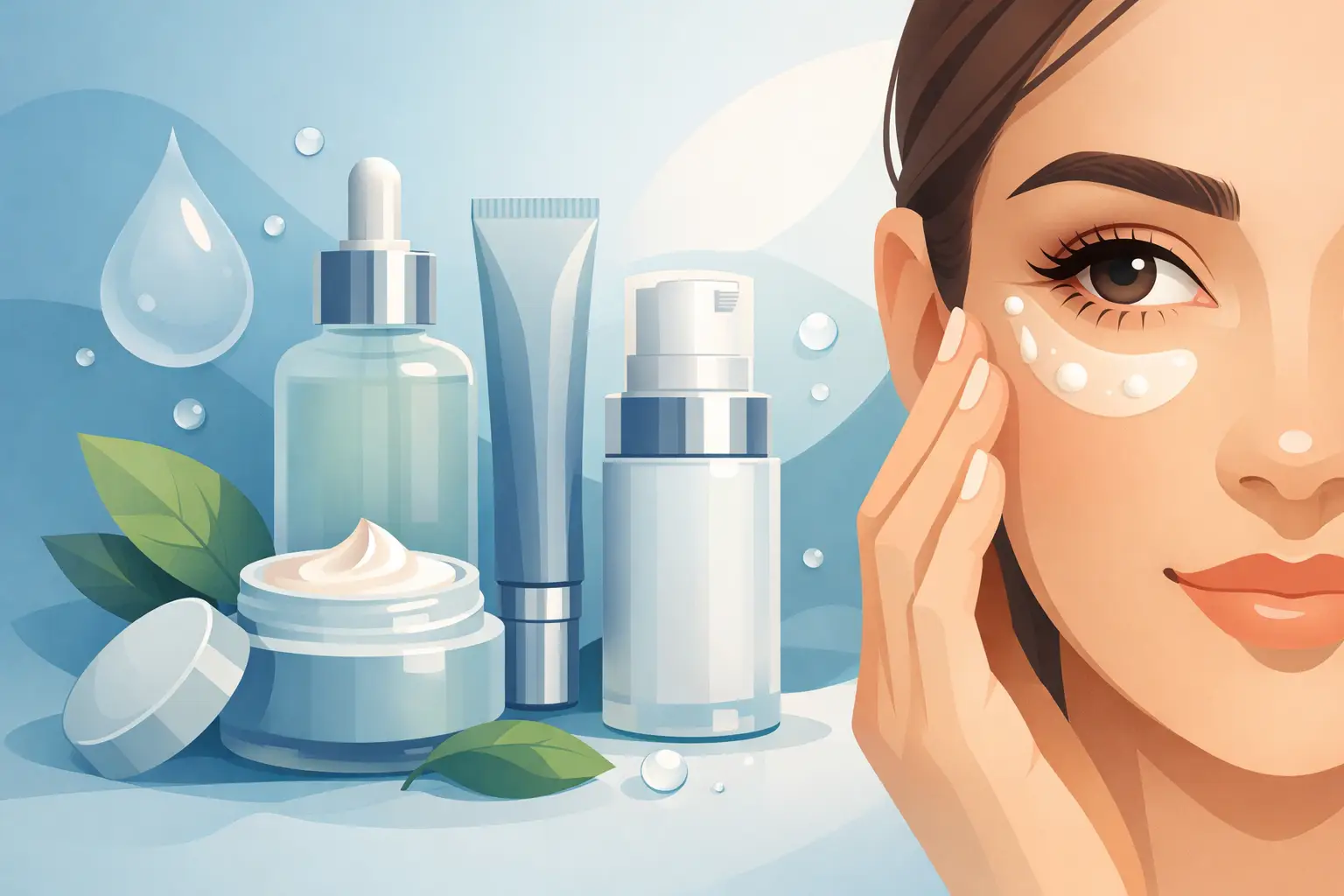
The feeling of tightness under the eyes at the end of the day, the fine lines that become more visible after applying concealer, or a dull-looking gaze often have one thing in common: a lack of hydration and comfort. The best hydrating eye contour creams don’t have to complicate your routine. The key is to choose a gentle formula, apply it consistently, and tailor it to what this area really needs.
The skin around the eyes is thinner than the rest of the face and endures constant movements: blinking, smiling, screen time, makeup removal, and temperature changes. That’s why a facial cream that works well on the cheeks doesn’t always provide the same comfort around the eyes. A dedicated product can help keep the area supple, smooth, and looking more rested.
What the Best Hydrating Eye Contour Creams Should Offer
A good hydrating eye cream isn’t judged solely by a pleasant texture. It should deliver moisture to the skin, help retain it, and leave a comfortable feel without overloading the area. When the formula is well balanced, the result is a smoother-feeling eye area, ready for makeup or for going about your day without any dryness.
Hyaluronic acid is one of the most effective actives when you’re looking for immediate hydration and a dewy finish. It helps attract water and improve the appearance of lines that worsen with dehydration. It’s a great option for dry or mature skin, or for anyone who notices dull under-eyes after a short night’s sleep.
The aloe vera fits especially well into routines that prioritize gentleness. Its fresh texture and comfort-boosting properties make it an ally for sensitive skin or during times when the under-eye area feels extra reactive to cold, wind or heavy makeup use. Combined with other hydrating ingredients, it contributes to a pleasant application both morning and night.
Products selected for this guide
Choose the option that best fits your skin and your routine.
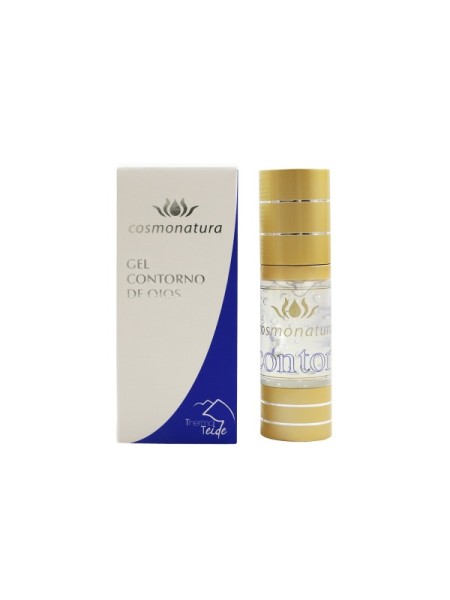
Eye and Lip Contour Gel 35 ml | for soft protected lips
A versatile option for everyday use.
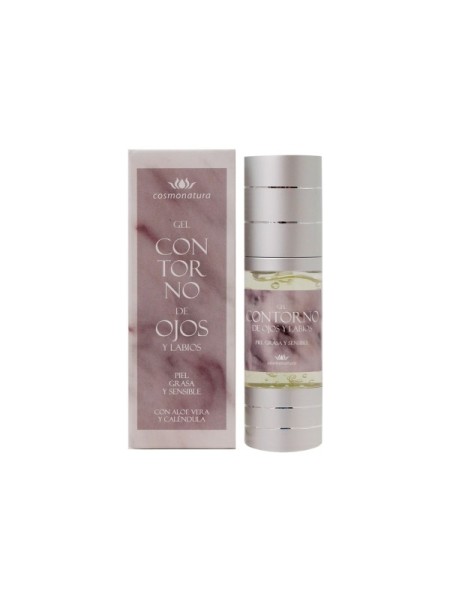
Eye and Lip Contour Gel 35 ml | for soft protected lips, sensitive skin
Designed for more specific care needs.
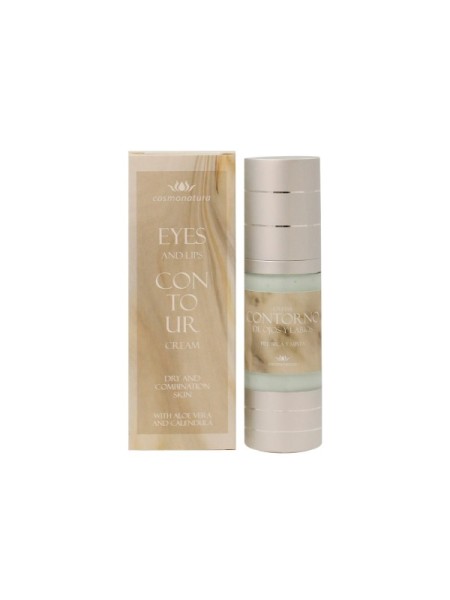
Eye and Lip Contour Cream 35 ml | for soft protected lips, sensitive skin
A complementary option for a more complete routine.
It’s also worth looking at nourishing and repairing ingredients like rosehip oil or soothing plant extracts, as long as the texture remains light. They add extra comfort when the skin is very dry or losing elasticity. However, an overly rich formula may not be the best choice if you’re worried about it migrating into the eye or if you prefer to apply makeup immediately afterward.
Hydration, Nourishment and a Cooling Effect Are Not the Same
It’s important to distinguish what you’re after. Hydration provides water and reduces tightness. Nourishment helps reinforce comfort with emollient ingredients, especially useful for dry skin. A cooling effect can make the eyes look more awake upon application, but on its own it doesn’t replace a hydrating formula.
Many people achieve the best results with a balance of these three qualities: a hydrating base, a touch of nourishment, and a fast-absorbing texture. If your skin is sensitive, prioritize simple formulas and avoid introducing too many new actives at once.
How to Choose Your Eye Cream Based on What You Notice
There’s no single perfect product for every skin. Choosing the right one starts by observing what happens around your eyes daily, not chasing a flashy promise on the packaging.
If the area feels tight, makeup cracks, or fine lines appear more pronounced when you smile, look for hyaluronic acid, aloe vera, and components that help smooth. A cream-gel texture is usually practical: it hydrates without a heavy layer and blends well before concealer.
If your skin is dry or mature and the under-eye area often feels rough, a creamier texture with rosehip oil or other nourishing ingredients might offer more comfort. In this case, use a small amount and allow time for absorption. More product doesn’t mean more hydration, and overapplication can lead to a heavy feeling.
If you have sensitive skin, opt for simplicity. Aloe vera, calendula, and formulas without an excessive mix of actives can be a sensible choice. Test the product for several days while keeping the rest of your routine consistent to better understand how your skin responds.
When your priority is to reduce signs of fatigue, a hydrating formula with a fresh finish can be a good base. If you also use vitamin C or retinal on your face, there’s no need to apply all actives around the eyes. This area benefits from a cautious routine: reserve more intensive products for ones specifically formulated for it and keep hydration as the essential step.
Cream, Gel or Serum for the Eye Area?
The answer depends on your skin and habits. Gels are often favored by those seeking a cooling sensation, quick absorption, and a light feel, especially in the morning. Creams are a good choice when dryness prevails or when you want a more comforting gesture at night.
Eye serums can fit in if you want a very fluid texture with hydrating actives, but it’s important to seal the routine if the skin still needs comfort. You can use a hyaluronic acid serum followed by a small amount of eye cream, though for most routines a single well-chosen formula proves more practical and consistent.
How to Apply Eye Cream for Best Results
The technique doesn’t need to be complicated, but it should be delicate. After cleansing the face and applying lighter products, take an amount roughly the size of half a grain of rice for both eyes. Distribute the product between your ring fingers and apply it with small taps along the orbital bone, from the inner corner outward.
It’s not necessary to get too close to the lash line. The warmth of the skin helps the product spread naturally. Rubbing vigorously doesn’t improve absorption and can be uncomfortable on such a delicate area.
In the morning, let the eye cream settle for one or two minutes before using concealer or facial sunscreen. At night, apply it as the last step of a simple hydration routine, after your serum if you use one. Consistency often proves more effective than rotating products every few days.
Common Mistakes When Seeking Hydration for the Eye Area
One of the most common mistakes is using too much product. A concentrated eye cream is designed to work with a small dose. If there’s product left on the surface, the issue isn’t always the formula: it may simply be overapplication.
It’s also common to choose solely based on the immediate cooling sensation. A refreshing texture is pleasant, but if tightness returns after a few hours, you might need a formula with greater hydrating capacity or some nourishing support. Listening to your skin throughout the day gives more insight than the first impression at application.
Another mistake is changing your entire routine at once. If you introduce a new eye cream, a vitamin C serum, a renewing active, and a different moisturizer in the same week, it will be hard to know what really works for you. For sensitive or easily irritated skin, incorporating one product at a time is a more practical approach.
Finally, it’s unwise to expect an eye cream to do the job of your entire routine. Gentle cleansing, facial hydration, sufficient rest when possible, and daily sun protection also influence how the eye area looks. Eye cream is a specific and valuable step, but it works best within simple, coherent habits.
A Simple Routine for a More Comfortable Eye Area
In the morning, cleanse gently, apply a hydrating serum if your skin needs it, and use an eye cream with aloe vera or hyaluronic acid before sunscreen. If you wear makeup, use a minimal amount and wait for it to absorb to prevent concealer from moving.
At night, remove makeup without rubbing, cleanse your face, and apply your usual treatment. Finish with a more comforting eye cream if you notice dryness. On mature skin, combining a well-planned facial routine with constant hydration in the eye area helps keep it feeling flexible and cared for.
The best choice is the one you can use daily with ease. Start with a light, hydrating formula that suits your skin type; observe how it responds over two to three weeks, and adjust the texture if needed. Caring for the eye area doesn’t require many steps: it requires the right product and the gentle gesture of dedicating one minute each morning and night to yourself.


