

The feeling you get when washing your face at night says almost everything: if your skin feels tight, it needs nourishment; if it looks shiny but dehydrated, it needs balance; if it’s dull, it’s best to support its renewal gently. If you’re wondering what night cream to use, there’s no need to complicate your routine or pile on products. The key is choosing a texture and active ingredients that match how your skin behaves at the end of the day.
At night there’s no makeup, sunscreen, or rush. It’s the moment to apply a cream that brings comfort, helps retain hydration, and supports your skin’s natural repair. A good choice can mean the difference between waking up with a comfortable, glowing complexion or with dryness, excess oil, or sensitivity.
What night cream to use based on your skin type
Your night cream doesn’t have to be heavy. It should suit your actual needs. Dry skin usually appreciates richer lipids and enveloping textures, while combination or shine-prone skin may feel better with lightweight, hydrating, fast-absorbing formulas.
Dry skin: aloe vera, rosehip oil, and nourishment
If your skin flakes, feels rough, or calls for cream several times a day, look for a night cream with ingredients that combine hydration and nourishment. Aloe vera provides a soothing, refreshing sensation, while rosehip oil helps improve the look of dry skin and adds elasticity.
In this case, a rich cream or balm texture can be a good choice, especially in autumn and winter. Apply it on slightly damp skin after cleansing to lock in moisture. If your cheeks and around your mouth are the driest areas, you can boost those spots with a little extra.
Products selected for this guide
Choose the option that best fits your skin and your routine.
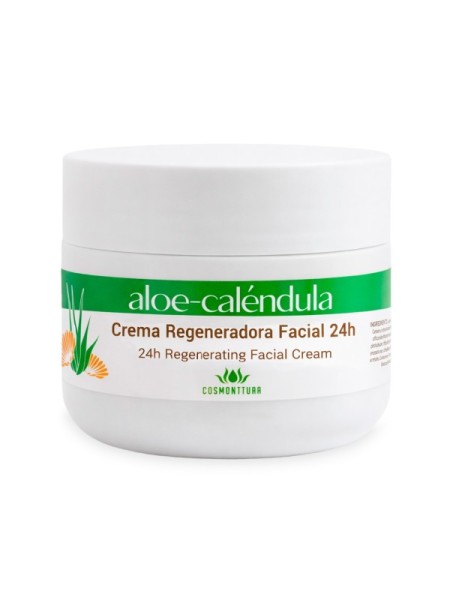
Regenerating Face Cream 24h 100 ml | for daily natural skincare, sensitive skin
A versatile option for everyday use.
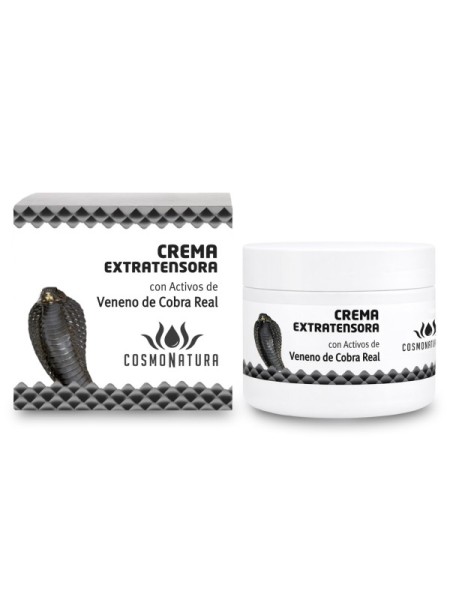
Extra-Firming Cream con activos de Cobra Venom 100 ml | for firming anti-ageing care
Designed for more specific care needs.
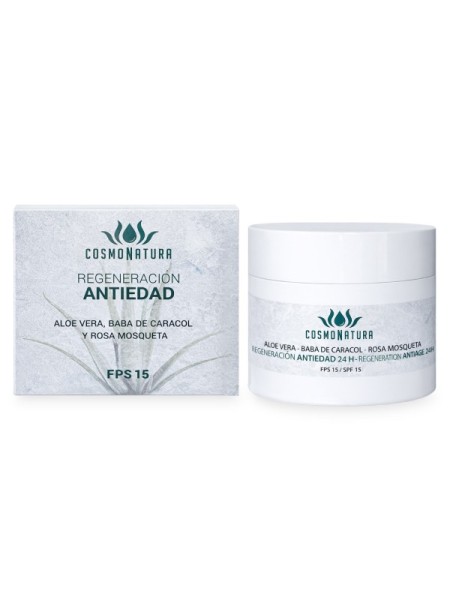
24H Anti-Ageing Cream Aloe-Facecol-Rosehip SPF 15 100 ml | for firming anti-ageing care
A complementary option for a more complete routine.
Sensitive skin: simple, comforting formulas
When skin reacts easily, less is often more. Prioritize a night cream with aloe vera, calendula, or other plant extracts known for their soothing, comforting effects. Avoid trying several new products at once, as it will be harder to know what suits your skin.
Non-greasy textures with few potent actives are particularly useful when your skin is sensitive or stressed by cold, heating, over-cleansing, or lack of rest. Consistency with a simple cream usually yields better results than switching products every few days.
Combination or oily skin: hydration without heaviness
Having shine doesn’t mean your skin doesn’t need cream. In fact, skipping it can leave your skin dehydrated, prompting it to produce more oil. For this skin type, a cream-gel or lightweight lotion with aloe vera and hyaluronic acid works best.
Hyaluronic acid helps retain water in the skin without leaving a heavy film. Look for a formula that leaves your complexion supple, not sticky. If you use a hydrating serum beforehand, finish with a thin layer of cream: using too much product won’t multiply its benefits and can be uncomfortable when sleeping.
Mature skin: hydration and renewing actives
Mature skin usually needs sustained hydration, nourishment, and a routine that improves firmness, texture, and radiance. A cream with hyaluronic acid can add a visual plumping effect and moisture, while ingredients like rosehip oil nicely complement a nourishing routine.
At night it also makes sense to introduce retinal, but always progressively. Retinal is a cosmetic active recommended for those looking to soften the appearance of lines and improve overall skin tone. It’s not necessary to use it every night from the start: begin with two nights a week and observe how your skin reacts.
Night cream with retinal: when to use it
Retinal doesn’t have to be part of every routine. If your main goal is relieving tightness or keeping skin comfortable, a moisturizing cream with aloe vera, hyaluronic acid, or calendula may be enough. However, if you want a more targeted anti-aging treatment, a product with retinal can be a good next step.
The most practical approach is to apply retinal at night on clean, dry skin, either before or alongside a moisturizer, depending on the product’s texture. If you experience discomfort, reduce the frequency and boost hydration on alternate nights. On sensitive skin, it’s wise to introduce it more slowly and avoid combining it with too many renewing actives at once.
When using retinal at night, it’s important to keep up with daily facial sunscreen. It’s a basic step to maintain even, comfortable skin over the long term.
The order that makes your cream work best
An effective nighttime routine can be as simple as three steps: cleanse, serum, and cream. What matters is that each product has a clear role and you don’t overload your skin with unnecessary layers.
After cleansing, apply a serum if you want to address a specific concern. A hyaluronic acid serum works well when hydration is lacking; a retinal serum can be reserved for renewal nights. Then seal the routine with your night cream. This layer helps maintain comfort and prevents your skin from exposure to environmental dryness while you sleep.
Don’t forget your neck and décolletage, especially if they feel dry. Use a small amount and spread it with gentle motions, avoiding excessive rubbing. The eye area deserves a specific product if you need a lighter texture adapted to that zone, although a mild facial cream can be applied around the eye area without getting too close to the lash line.
Mistakes to avoid when choosing a night cream
The most common mistake is choosing a cream for its popularity or a general recommendation, without considering your skin’s current condition. A very nourishing cream may be excellent for dry skin and too heavy for combination skin. Similarly, a very light texture may fall short if your skin feels tight or is exposed to the cold.
It’s also wise to avoid constantly switching your routine. Skincare products need consistency to let you assess if they provide hydration, softness, and a better appearance. Give a cream several weeks, unless you notice your skin is uncomfortable.
Finally, don’t confuse greasiness with nourishment. A good night cream should leave your skin pleasant to the touch, not a heavy layer on your pillow. Adjusting the amount is as important as choosing the right formula: a hazelnut-sized amount usually suffices for your face and neck.
A nighttime routine that adapts to you
If you’re looking for a simple answer to what night cream to use, start by observing your skin for a week. If you notice tightness, prioritize aloe vera, rosehip oil, and nourishing textures. If shine predominates, choose a lightweight cream with hyaluronic acid. If you want to address visible signs of aging, combine consistent hydration with gradually introduced retinal.
The best night cream is the one you look forward to using daily because it leaves your skin comfortable, cared-for, and balanced by morning. With gentle cleansing, a well-chosen active, and the right cream, your nighttime routine stops being just another step and becomes a true moment of self-care.


