

Sensitive skin usually doesn’t ask for more products but for less friction, fewer changes and comforting formulas. A sensitive skin facial routine properly designed can help skin feel hydrated, smooth and less tight without turning daily care into an endless list of steps.
The starting point is simple: choose pleasant-to-apply products, respect your skin’s response and stay consistent. Ingredients like aloe vera, calendula, hyaluronic acid or rosehip oil can work very well, as long as they’re introduced gradually in a routine tailored to your needs.
What a sensitive skin facial routine needs
Sensitivity may show up as tightness, discomfort after cleansing, temporary redness or skin that seems to react when you switch products. Not all sensitive skin is the same: some are also dry, others have combination zones, and others also want to prevent signs of aging. That’s why the routine shouldn’t focus on layering active ingredients but on boosting daily comfort.
A good foundation relies on three steps: cleanse without drying, hydrate with water-locking ingredients and protect skin during the day. When these steps work, it’s easier to decide if you need to add a targeted serum, an eye cream or a nighttime treatment.
The key is not to change everything at once. If you introduce a new cream, a serum and an exfoliant in the same week, it will be hard to know what agrees with your skin and what doesn’t. Keeping a short routine for several weeks gives much clearer feedback.
Products selected for this guide
Choose the option that best fits your skin and your routine.
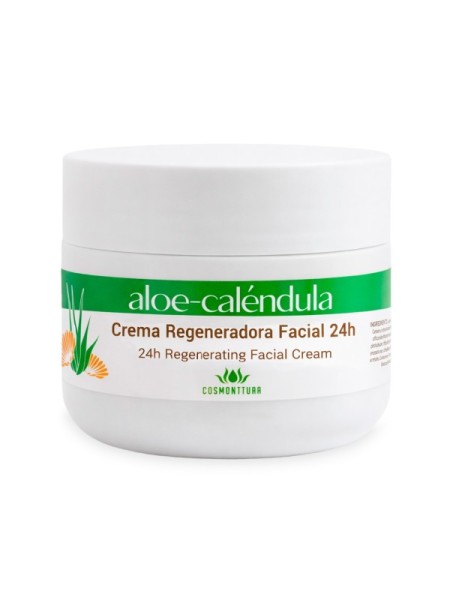
Regenerating Face Cream 24h 100 ml | for daily natural skincare, sensitive skin
A versatile option for everyday use.
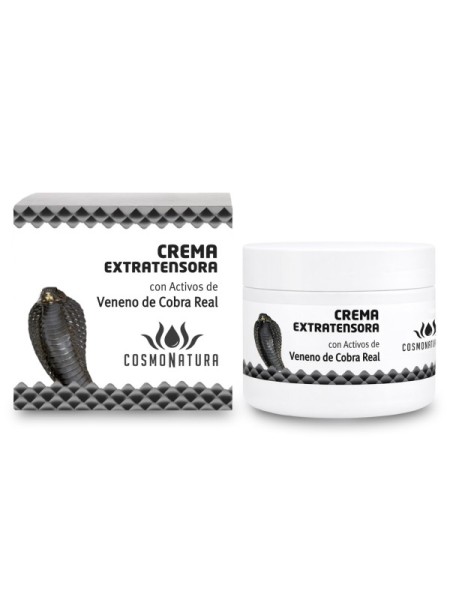
Extra-Firming Cream con activos de Cobra Venom 100 ml | for firming anti-ageing care
Designed for more specific care needs.
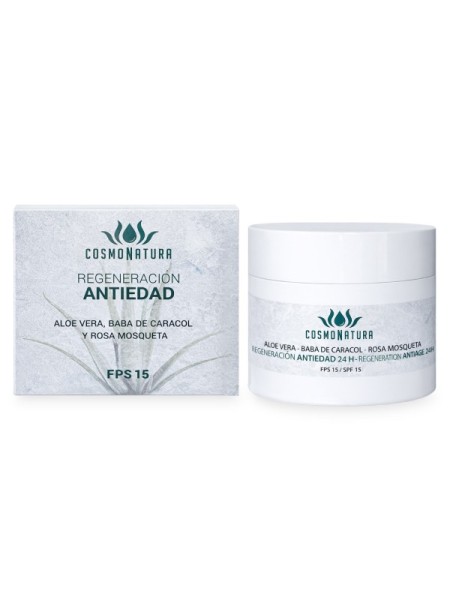
24H Anti-Ageing Cream Aloe-Facecol-Rosehip SPF 15 100 ml | for firming anti-ageing care
A complementary option for a more complete routine.
Morning sensitive skin facial routine
In the morning, the goal is to wake up the skin without exposing or overloading it. If you wake up with comfortable skin and didn’t apply heavy products the night before, rinsing your face with lukewarm water might suffice. If you prefer to cleanse, choose a gentle facial cleanser with a creamy or light gel texture that doesn’t leave skin feeling tight.
1. Gentle, unhurried cleansing
Avoid very hot water, rough towels and rubbing your face to dry. Instead, gently pat with a clean towel. It may seem minor, but it makes a big difference when skin is easily upset.
Highly astringent cleansers may give an instant feeling of deep clean, but many sensitive skins find them uncomfortable with continued use. After cleansing, your face should feel fresh and supple, not tight or dry.
2. Hydrating serum with aloe vera or hyaluronic acid
A hydrating serum is a practical way to bring comfort without using multiple layers. Aloe vera is especially helpful for skin seeking a calming, lightweight feel. Hyaluronic acid, meanwhile, helps lock in moisture and can work well on both dry sensitive skin and combination skin that needs hydration without a heavy, greasy feel.
Apply it to slightly damp skin and use a small amount. More product doesn’t always mean more hydration: a thin, well-spread layer is usually enough.
3. Facial cream that seals in hydration
After your serum, an appropriate facial cream helps keep comfort lasting for hours. For dry, sensitive skin, look for a more nourishing texture with aloe vera, calendula or rosehip oil. If you have shine in your T-zone, a lightweight emulsion may feel more pleasant and prevent heaviness.
Calendula is highly valued in natural skincare for its soothing profile. Rosehip oil can provide nourishment and a more elastic feel, though it’s best used sparingly if you prefer a light finish.
4. Sunscreen as the final step
Sun protection is the closing step of the morning routine. Choose a formula you find comfortable, because the best sunscreen is the one you’ll use consistently. If a thick texture feels uncomfortable, try a more fluid format. If your skin tends to dry out, a hydrating finish may suit you better.
You don’t need to overcomplicate this: apply it after your moisturizer and let it set before applying makeup, if you wear makeup.
Night routine: repair, hydrate and don’t overload
At night, skin appreciates removing traces of sunscreen, makeup, pollution and accumulated oil. It’s time to repeat a gentle cleanse and choose a treatment that matches your main goal: hydration, nourishment or gradual anti-age care.
Double cleanse only if you need it
Double cleansing can be useful if you wear long-wear makeup or a very heavy sunscreen. In that case, start with an oil, balm or cleansing milk and follow with a gentle water-based cleanser. If you don’t wear makeup and your sunscreen comes off well with one product, following two steps is not mandatory.
For sensitive skin, keeping things simple is usually an advantage. Over-cleansing can leave a feeling of dryness that you then try to counteract with too many product layers.
Alternate treatment nights
If your priority is hydration, you can repeat the aloe vera or hyaluronic acid serum and finish with a nourishing cream. If you want to target fine lines and texture, a retinal product can be part of your night routine, but introduce it gradually.
Start with low frequency, for example once or twice a week, and see how your skin reacts. On the remaining nights, focus on hydration and repair with aloe vera, calendula or rosehip oil. This alternation helps avoid overwhelming already reactive skin.
It’s not necessary to combine retinal, vitamin C, exfoliants and other actives all in the same night. Each skin has a different tolerance, and a simple routine usually delivers better long-term results than an intensive one that’s hard to maintain.
Ingredients that tend to work well
There’s no perfect ingredient for everyone, but some actives are especially easy to integrate when comfort is the priority.
Aloe vera provides a fresh, hydrating feel and works well in daily-use serums, gels and creams. Calendula is a good partner in formulas designed to soothe skin. Hyaluronic acid helps retain moisture without heavy textures, while rosehip oil can be a nourishing option for night use or extra-dry areas.
Vitamin C can add brightness to your morning routine, but not all sensitive skin tolerates the same concentration or frequency. If you decide to include it, start slowly and don’t introduce other actives at the same time. Retinal also requires patience: use it at night and pair it with a hydrating routine and daily sun protection.
Common mistakes that complicate sensitive skin
The most common mistake is interpreting every sign of discomfort as a cue to buy another product. Sometimes, what the skin needs is to pause, return to a gentle cleanser, a hydrating serum and a simple cream for a few days.
It’s also wise to avoid frequent exfoliation. Dull skin doesn’t always need more exfoliation; sometimes it just needs constant hydration and a cream that reduces dryness. If you use an exfoliant, do so sparingly and never combine it on the same night with retinal if your skin is sensitive.
Another important point is quantity. Applying too much cream, too many serum drops or multiple layers can weigh down the face and make the routine uncomfortable. Always start with less and adjust only if you see your skin needs more.
How to know if your routine is working
A sensitive skin facial routine is on the right track when cleansing your face stops being uncomfortable, tightness decreases and skin feels more supple throughout the day. The most valuable changes aren’t always visible overnight: they often show in comfort, in needing fewer products to feel good and in more stable skin responses.
Before debuting a new serum or treatment, patch-test it on a small area and give it time. If something doesn’t feel right, there’s no need to push through. Caring for sensitive skin is about listening to it and choosing formulas you trust to repeat every morning and night.
Your best routine won’t be the longest or the one with the most actives. It will be the one that, with aloe vera, hydration and gentle steps, makes facial care feel easy and pleasant every day.


