

Searching for how to use hyaluronic acid serum often happens when skin feels tight, dull, or less comfortable than usual. The good news is there’s no need to complicate your routine: applied in the right order and paired with a cream that locks in moisture, this ingredient can help your complexion feel more supple, fresh, and cared for.
Hyaluronic acid serum fits especially well into routines for dry, sensitive, or mature skin, though it can also be very practical for combination skin prone to blemishes. Its main function is to provide hydration and comfort without heavy textures. The key is knowing when to apply it, what to pair it with, and how much to use.
How to Use Hyaluronic Acid Serum in Your Facial Routine
The serum is applied after cleansing and before moisturizer. This order lets lightweight actives penetrate clean skin and allows the following cream to lock in that hydrated feeling for longer.
In the morning, cleanse your face with a gentle product and pat dry—don’t rub. Leave your skin slightly damp, not soaked. Then dispense two or three drops of hyaluronic acid serum onto your fingertips and smooth it over your face and neck with gentle presses. No need for an extended massage: once the texture is evenly distributed, follow with your facial cream and finish with sunscreen.
At night, the process is similar. After removing makeup, sunscreen, and impurities from the day, apply the serum to clean skin. Then use a moisturizer or nourishing cream suited to your needs. If you want a more comprehensive care routine, you can alternate other actives like vitamin C in the morning or retinal at night, always introducing them gradually and observing how your skin reacts.
Products selected for this guide
Choose the option that best fits your skin and your routine.
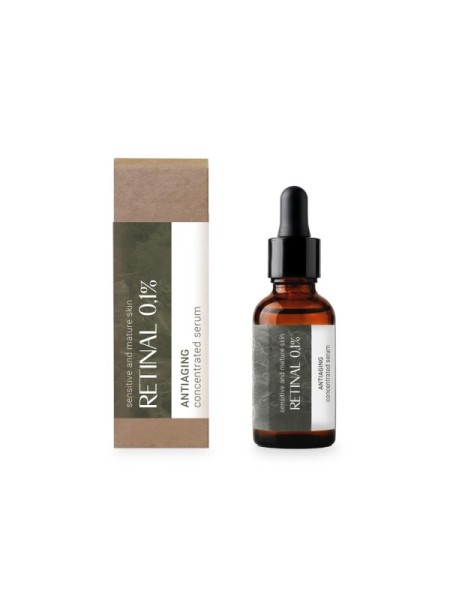
Retinal Anti-Ageing Serum 0.1% 30 ml | for firming anti-ageing care
A versatile option for everyday use.
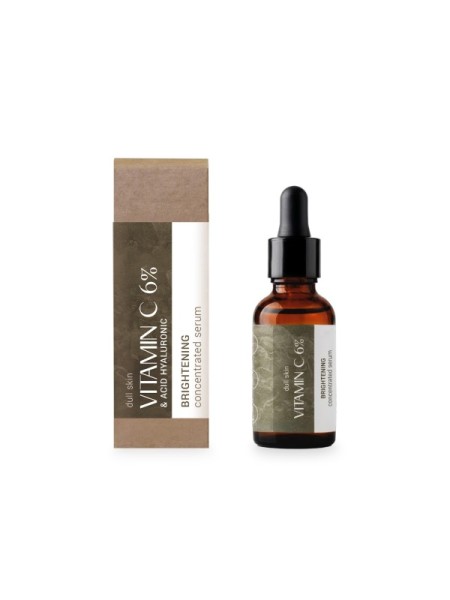
Antioxidant Serum Vit. C 6% 30 ml | for firming anti-ageing care
Designed for more specific care needs.
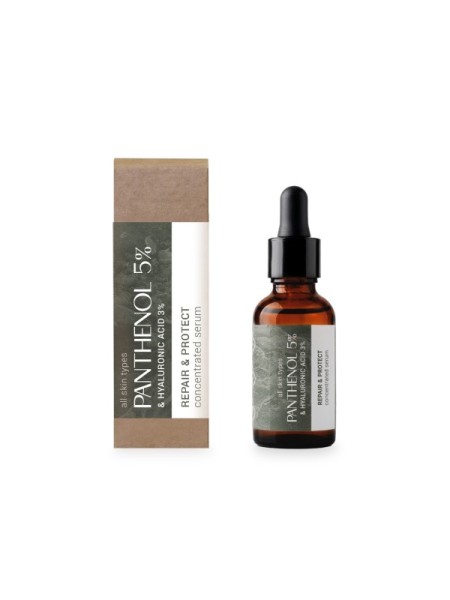
Panthenol Hydrating Serum 5% Hyaluronic Acid 3% 30 ml | for firming anti-ageing care
A complementary option for a more complete routine.
On Dry or Damp Skin?
Hyaluronic acid works best on slightly damp skin. It’s not about applying the serum over visible water droplets, but about preventing your skin from becoming completely dry and tight after cleansing. A simple facial mist or damp hands can help if your skin dries too quickly.
After the serum, it’s wise to apply a cream. This step makes a real difference, especially in dry environments, with heating, air conditioning, or temperature changes. The serum delivers a lightweight, hydrating texture, while the cream helps maintain comfort and protects the skin barrier against water loss.
How Much You Need and How Often to Use It
Two or three drops are usually enough for face and neck. Using more won’t multiply the benefits and may leave a sticky feeling, especially if you apply other products afterward. If the bottle has a dropper or pump, a small press is generally sufficient.
You can use hyaluronic acid serum once or twice daily. For many, applying it morning and night is an easy way to keep a consistent routine. If your skin is very sensitive or you’re introducing several new products, try it once a day first—preferably at night—and increase frequency as it feels comfortable.
Consistency is more valuable than a lengthy routine. A gentle cleanser, a hydrating serum, a good cream, and daytime sun protection form a highly effective foundation for daily care. From there, you can add targeted treatments based on your skin’s needs.
How to Combine Hyaluronic Acid with Other Actives
One advantage of hyaluronic acid is that it easily integrates into various routines. Its hydrating profile can pair with actives that, for some skin types, need extra comfort.
With vitamin C, it works very well in the morning. You can apply vitamin C serum first and then hyaluronic acid serum, letting each layer settle for a few seconds. Finish with cream and sunscreen. This combination is ideal when you’re aiming for brighter, more hydrated-looking skin.
With retinal, it’s best to reserve the combination for nighttime. After cleansing, apply retinal according to the product instructions, then add hyaluronic acid or a moisturizer—depending on your skin’s texture and tolerance. If you’re new to retinal, a simple routine might be more comfortable: alternate nights with retinal and, on the other nights, hydrate with hyaluronic acid, aloe vera, and a repair cream.
Aloe vera is a great companion in a soothing, hydrating routine. For skin that feels reactive, exposed to cold, sun, or frequent cleansing, combining textures like aloe vera, hyaluronic acid, calendula, or rosehip oil can offer a more thorough sense of care. You don’t need to use all of these ingredients at once—choose based on how your skin feels at any moment.
Adjust Application to Your Skin Type
The way you use the serum can be the same, but the cream you pair with it should address each skin type’s needs.
On dry skin, look for a richer cream after the serum. Ingredients like aloe vera, rosehip oil, or plant oils in a balanced formula can help skin feel comfortable, especially in winter.
For sensitive skin, stick to minimal steps and simple textures. Avoid introducing several new products on the same day and patch-test the serum in a small area first. If your skin feels uncomfortable, prioritise gentle cleansing, hyaluronic acid, and a calming cream before adding more potent actives.
For combination or oily-prone skin, hyaluronic acid can be especially useful because it hydrates without a greasy feel. Choose a lightweight cream in oilier zones and don’t skip hydration out of fear of shine—a dehydrated complexion can also feel uneven and produce more oil in response.
For mature skin, serum can complement a routine aimed at preserving visual elasticity and comfort. Pair it with a nourishing cream and, if desired, introduce retinal gradually. Consistency and a non-irritating routine often yield better results than layering on too many products.
Common Mistakes When Applying a Hydrating Serum
There are small habits that can make the product feel less pleasant than expected:
- Applying it to very dry skin without following up with moisturizer.
- Using too much, thinking it will hydrate more.
- Mixing several new actives at once and not knowing which causes discomfort.
- Skipping sunscreen in the morning, especially if your routine includes vitamin C or retinal at other times.
It’s also helpful to wait a few seconds between layers. You don’t need to wait minutes, but allow the serum to absorb before applying cream. If little beads form when applying products, it’s usually due to too much product or rubbing too hard. Reduce the amount and spread with gentle presses.
Frequently Asked Questions About Hyaluronic Acid Serum
Can You Use It Every Day?
Yes. It’s designed as part of everyday care and, in general, can be used morning and night if your skin tolerates it.
Does the Serum Replace Moisturizer?
No. The serum delivers hydration in a concentrated, lightweight texture, but the cream completes the routine and maintains that hydration. For oily skin, a very light gel cream might suffice, but it’s still best not to skip this step.
Can I Use It Around My Eyes?
You can apply a small amount around the orbital bone, avoiding the lash line and eye interior. If you want to target that area specifically, an eye contour cream with the right texture can complement your routine.
When your skin asks for hydration, it doesn’t need an endless routine. Start with a well-applied hyaluronic acid serum, follow with a cream that suits you, and repeat daily: that simplicity is what turns skincare into a habit you’ll actually want to keep.


