

When your skin feels tight even after applying cream, flakes in certain areas, or you feel discomfort all day long, the question shifts: it’s not just about moisturizing, but knowing which cream to use for truly very dry skin. And it’s not always the most expensive or the densest that wins, but the one that best combines ingredients, texture and routine.
Very dry skin needs more than just a pleasant feel at application. It needs to help reduce water loss, strengthen the skin barrier and provide nourishment without irritation. That’s why it’s better to focus less on the packaging claims and more on the formula and how you’re going to use it.
Which Cream to Use for Very Dry Skin Based on Your Skin’s Needs
Not all very dry skin behaves the same. Some feel constant tightness, others have rough patches, and some react easily to new products. Choosing the right one starts by identifying what your skin is asking for each day.
If your skin looks dull, feels tight and shows more signs of dehydration, creams with aloe vera and humectants like hyaluronic acid usually work better. Aloe vera provides comfort and freshness without being heavy, while hyaluronic acid helps retain water on the skin’s surface. This combination fits perfectly into a daily routine, especially if you want immediate relief without an overly greasy feel.
If you also notice thin skin, loss of elasticity or a more damaged texture, you need a richer cream, supported by oils and reparative actives. Rosehip oil and calendula are common allies in this case because they help soften, enhance nourishment and support the cosmetic regeneration of dry, delicate skin.
Products selected for this guide
Choose the option that best fits your skin and your routine.
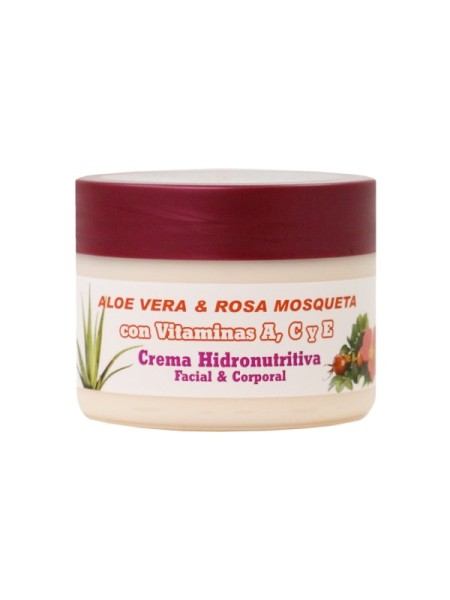
Hydro-Nourishing Face and Body Cream 250 ml | for dry skin and daily body hydration
A versatile option for everyday use.
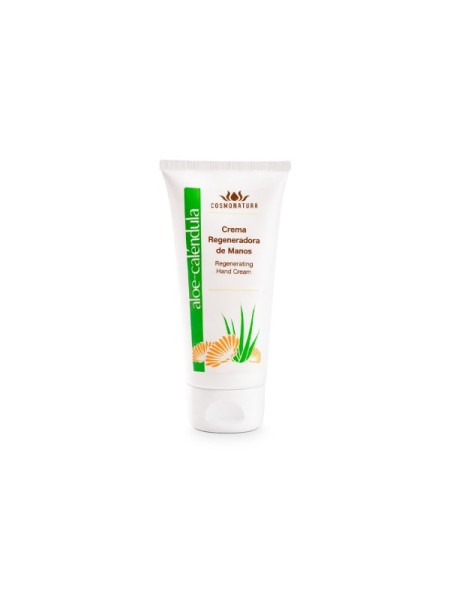
Regenerating Hand Cream 100 ml | for daily natural skincare, sensitive skin
Designed for more specific care needs.
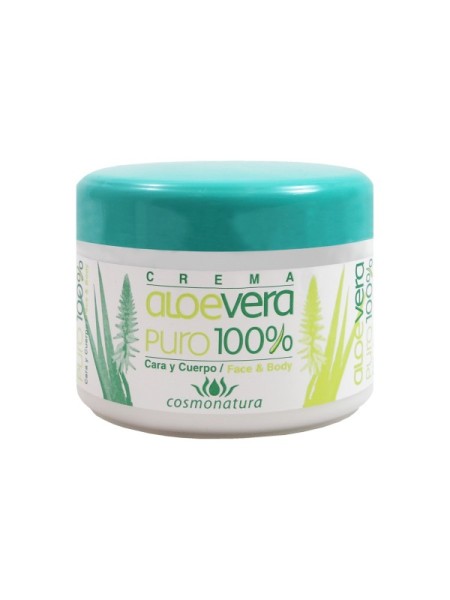
Face and Body Cream con 100% Aloe Vera 250 ml | for dry skin and daily body hydration
A complementary option for a more complete routine.
When dryness comes with sensitivity, the key is not to overload the skin with too many actives at once. In that case, a simple, soothing and well-formulated cream is better than a bundle of promises. A creamy texture with aloe vera, calendula or emollient ingredients usually delivers better results than a heavily fragranced or overly active formula.
The Ingredients That Help Most in a Cream for Very Dry Skin
To make choosing easier, look for three types of ingredients in the same cream. Humectants draw in water, emollients soften the surface and occlusives help prevent that hydration from escaping too quickly.
Among humectants, hyaluronic acid remains one of the most practical options because it enhances the hydration feel and leaves skin more flexible. Aloe vera also fits well in this daily care group, especially when dry skin also seeks soothing and freshness.
Among emollients, well-chosen plant oils make a difference. Rosehip oil is particularly interesting when you’re looking for nourishment and support in cosmetic repair. With consistent use, skin feels more comfortable and less rough.
As for soothing ingredients, calendula stands out when there are dry areas that feel fragile or reactive. You don’t need to complicate your routine further if you already have a good hydrating and repairing base.
It’s also worth noting that a very dry skin cream doesn’t always need the thickest texture possible. Sometimes an overly dense formula sits on the surface and isn’t comfortable for morning and night use. If you’re reluctant to apply it, you won’t use it consistently. And on very dry skin, consistency matters more than excess.
Texture: Cream, Balm or Gel-Cream
Here’s a common mistake: thinking the denser the cream, the better. Not always. It depends on the time of day, the season and how your skin reacts.
For daytime, many people with very dry skin prefer a nourishing cream with reasonable absorption, one that allows dressing or applying makeup without feeling a heavy layer. In this case, a cream with aloe vera, hyaluronic acid and a touch of gentle oils usually works very well.
At night, a richer texture like a balm or intensive cream can make more sense. During those hours, the skin isn’t exposed to cold, wind or environmental changes, and you can take advantage of a more enveloping formula to wake up with greater comfort.
The gel-cream, on the other hand, usually suits dehydrated combination skin better than truly very dry skin. It can be useful in summer or as a first hydration step, but if your skin flakes or feels continuously rough, it’s likely to fall short when used alone.
How to Apply Your Cream for Best Results
Sometimes the issue isn’t just which cream to use for very dry skin, but how it’s applied. A good cream applied at the wrong time or onto overly dry skin underperforms.
Ideally, apply it right after cleansing, while your skin is still slightly damp. This helps retain moisture more effectively. If you use a hyaluronic acid serum, apply it before the cream to add an extra boost of water and then seal it with a more nourishing texture.
If your skin is very dry, a simple routine often works better than a lengthy one. In the morning, you can use gentle cleansing, a hydrating serum if needed, and cream. At night, cleanse, apply a specific treatment if your skin tolerates it, and follow with a more reparative cream. For mature, dry skin, ingredients like retinal can be sensible in a well-balanced routine, but always paired with a cream that brings comfort. Otherwise, your skin might feel more uncomfortable.
Common Mistakes When Choosing a Cream for Very Dry Skin
One of the most common mistakes is switching products every few days. Dry skin usually responds better when you stick to a consistent routine for a reasonable period. If you alternate too many creams, it’s hard to see what’s actually working.
Another mistake is using only lightweight hydrating products and expecting deep results. Very dry skin usually needs both hydration and nourishment. If your cream has hyaluronic acid but nothing to help soften and protect, it will likely fall short.
It’s also wise to avoid heavily fragranced formulas if your skin is not only dry but also sensitive. The sensory experience may be pleasant, but daily comfort matters more.
And there’s one detail often overlooked: cleansing. If you use a cleanser that leaves skin feeling tight, even the best cream in the world will have to compensate for a problem that starts earlier. Gentle cleansing helps the cream work more effectively.
Which Cream to Use for Very Dry Skin on Face and Targeted Areas
The face doesn’t always need the same treatment as other dry body areas. On the face, it’s best to look for a nourishing yet comfortable cream that doesn’t feel heavy. In contrast, elbows, hands or rough patches may benefit from a richer, more occlusive texture.
If your main issue is on the face, look for a facial cream with aloe vera, hyaluronic acid and reparative support from rosehip oil or calendula. If you also have localized dryness, you can complement with a more intensive product just on those areas, instead of using a very heavy cream all over your face.
That lets you tweak your routine without overdoing it. Sometimes the best solution isn’t a single cream for everything, but an even daily base and targeted boost where more nourishment is needed.
How to Choose a Natural and Practical Option
If you prefer a more natural routine, you don’t have to sacrifice effectiveness. What matters is that the formula has a clear function. Aloe vera is a versatile base for hydration and soothing. Calendula helps when you seek softness and comfort. Rosehip oil adds nourishment and cosmetic regenerating support. And hyaluronic acid completes the surface hydration part.
In a natural care store like Aloeveraymas, it makes sense to prioritize products that combine these actives in a straightforward way aimed at real results: less tightness, more elasticity and skin that stays comfortable for longer.
If you’re torn between two creams, consider this: for the day, a comfortably nourishing moisturizer usually works best; for the night, a richer formula if your skin still needs more. That combination is often more useful than looking for a single cream that does it all.
The best cream for very dry skin is the one your skin accepts well, that you want to use every day and that truly improves that tightness you feel from morning. When you find that formula, not only does your skin look better, but above all, it feels much more comfortable.


