

If you notice that your serum doesn’t last, leaves a sticky feeling, or you don’t see the results you expected, the issue is often not the product itself but how to correctly apply facial serum within your routine. A good serum can make all the difference in hydration, radiance, or comfort—but only if used at the right time, in the right amount, and on properly prepped skin.
Why the way you apply it matters so much
Serums usually have a lightweight texture and a high concentration of active ingredients, so they’re not used like a regular cream. Their role is to deliver targeted care: hydrating with hyaluronic acid, brightening with vitamin C, improving the appearance of mature skin, or supporting soothing routines with aloe vera and botanical extracts.
When applied incorrectly, several issues can arise. The skin can become overloaded if you use too much, it can become irritated if you combine actives without thought, or you might simply not get the full benefit if you apply it on dry, dirty skin or after a too-heavy cream. Applying it correctly isn’t about complicating your routine—it’s about making every drop count.
How to correctly apply facial serum step by step
The most practical way to start is with cleansing. Your skin should be clean and free of makeup residue, sunscreen, or excess oil. There’s no need for aggressive cleansers. In fact, if you have sensitive or dry skin, it’s best to use a gentle cleanser that won’t leave your skin feeling tight.
After cleansing, apply serum before your cream. This order is important because lighter textures go first, followed by more substantial ones. If you use a toner or hydrating mist, apply it before the serum to leave skin slightly damp. In many cases, this helps the product spread more easily and feel more comfortable.
Products selected for this guide
Choose the option that best fits your skin and your routine.
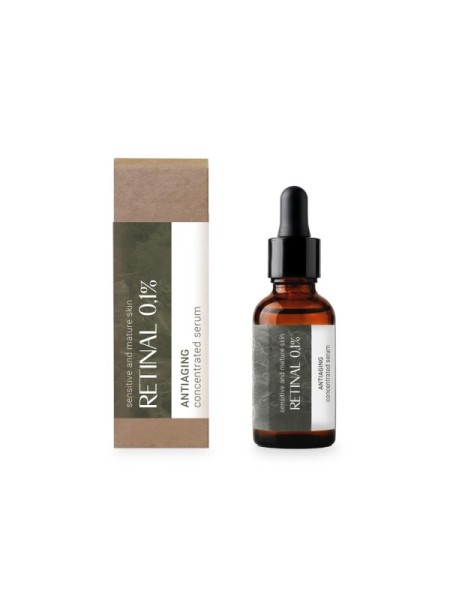
Retinal Anti-Ageing Serum 0.1% 30 ml | for firming anti-ageing care
A versatile option for everyday use.
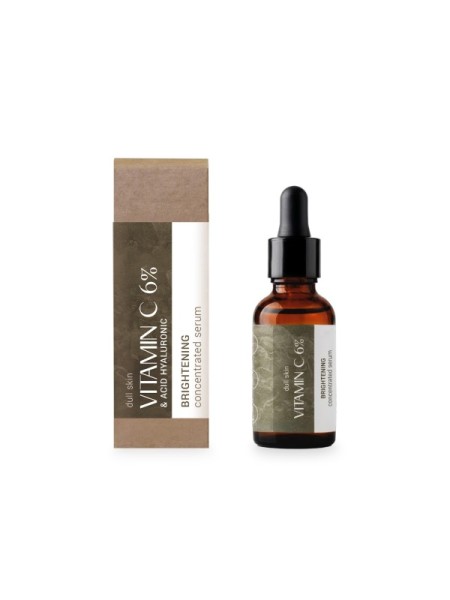
Antioxidant Serum Vit. C 6% 30 ml | for firming anti-ageing care
Designed for more specific care needs.
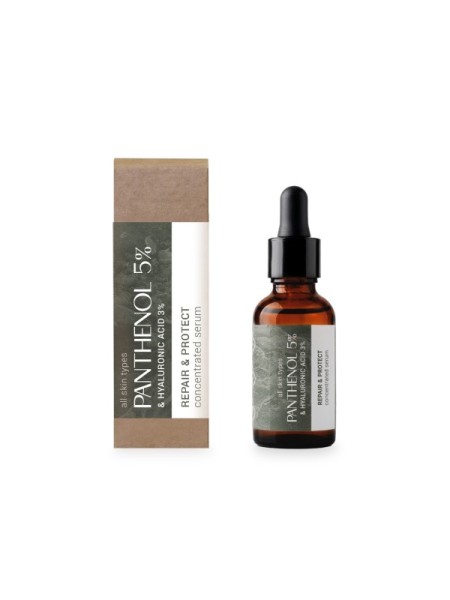
Panthenol Hydrating Serum 5% Hyaluronic Acid 3% 30 ml | for firming anti-ageing care
A complementary option for a more complete routine.
The amount also matters. Two or three drops are usually enough for the face and, if you wish, the neck. More doesn’t mean better—excess can leave residue, take longer to absorb, or even cause your moisturizer to sit on top rather than blend in.
Dispense the serum onto your fingertips and gently spread it over your forehead, cheeks, and chin. Then smooth it in with light strokes, avoiding dragging the skin. You can also press it in gently with your palms. This method works especially well on sensitive skin, as it minimizes unnecessary friction.
It’s best to wait a few seconds before moving on to moisturizer. You don’t need ten minutes—just enough time for the serum to settle. Then apply your moisturizer to lock in the routine and add comfort. In the morning, the final step should always be sunscreen.
The best time to use it
It depends on the type of serum and your goals. If you’re using a hydrating or soothing serum with aloe vera or hyaluronic acid, it usually works well both morning and night. It helps keep skin more supple, less tight, and looking its best throughout the day.
If your serum contains vitamin C, it’s common to apply it in the morning, before moisturizer and sunscreen. It’s an excellent choice when you want a more even, radiant complexion.
If you’re using a serum with retinal, it’s generally best for nighttime use. Retinal is highly valued in mature skin routines, but not all skin tolerates it immediately. In this case, using it less often but consistently usually yields better results than starting too aggressively.
How to apply serum based on your skin type
Dry or dehydrated skin
On dry skin, serum works best when applied to slightly damp skin and then sealed with a nourishing cream. Ingredients like aloe vera, hyaluronic acid, or rosehip are ideal because they boost hydration and help skin feel more comfortable.
One important note: if you use a hydrating serum but skip the follow-up cream, you may feel relief at first then tightness later—not because the serum failed, but because it lacked that sealing step.
Sensitive skin
Sensitive skin benefits from simple routines. If that’s your case, use a small amount, avoid mixing several actives at once, and observe how your skin responds over a few days. Formulas with aloe vera or calendula are often gentler when you want daily care without complications.
Instead of rubbing, gently press the product into your skin. It’s a small gesture, but it can make a big difference on skin that reddens easily or reacts to excess handling.
Mature skin
For mature skin, serum is one of the most valuable steps because it allows you to include specific actives without overloading your routine. If you choose one with hyaluronic acid, vitamin C, or retinal, the key isn’t just the ingredient but also consistency and the correct order.
In the morning, opt for a hydrating or illuminating texture. At night, choose a regenerating formula. If you use retinal, pair it with a comforting cream to make the routine more tolerable.
Combination or blemish-prone skin
Combination skin doesn’t always need stronger products—instead, look for lightweight textures and measured amounts. In these cases, too much serum can feel heavy in the T-zone. It’s better to use a small amount and spread it evenly.
If you’re seeking hydration without a greasy finish, a lightweight serum with aloe vera can be a perfect balance. Your skin feels fresh without feeling overloaded.
Common mistakes when applying facial serum
One of the most frequent mistakes is applying it on unclean skin or over residue from the day. Another is applying it after a cream, when it can’t work properly under the heavier barrier of a rich texture.
It’s also common to mix too many actives in pursuit of quick results. Vitamin C in the morning, retinal at night, and a simple hydrating base usually make more sense than piling on products without order. Sometimes the best routine isn’t the one with the most steps, but the one your skin tolerates well and you can maintain.
Another mistake is not adjusting usage frequency. Some serums can be used twice a day, while others should be introduced slowly. If you notice discomfort, dryness, or persistent irritation, consider reviewing the amount, frequency, or combination with other products.
Which products to pair it with
Serum works best as part of a simple, coherent routine: gentle cleanser, serum, cream, and—if it’s morning—sunscreen. This sequence suits most skin types very well.
If you want an extra boost, you can add products that address a specific need. For example, an eye contour cream for more hydration in that area, or a richer cream when skin feels dull or tight. At Aloeveraymas, this practical approach makes perfect sense: fewer steps, but better choices.
The important thing is that each product has a role and doesn’t compete with the others. A serum doesn’t replace cream, and cream doesn’t replace sunscreen. When you understand the purpose of each, your routine becomes much simpler.
When you start to see results
It depends on the type of serum. Hydrating formulas usually deliver an immediate effect: skin feels more comfortable, supple, and refreshed in no time. By contrast, serums designed to improve radiance or support anti-age routines require more consistency.
It’s wise to have realistic expectations. If you apply the product correctly, choose a formula that suits your skin, and stick with the routine for several weeks, results usually improve compared to switching serums every few days. Skin thrives on consistency.
Applying serum well isn’t about perfection; it’s about intention: clean skin, a small amount, the right order, and a formula tailored to your needs. From there, the difference is clear in something very simple: skin that feels better every day.


