

Mature, dry skin doesn’t usually require ten steps or complicated formulas. What it needs is consistency, comfortable textures, and active ingredients that truly hydrate without leaving a heavy feel. If you’re looking for how to moisturize mature dry skin, the key is to strengthen the skin barrier, avoid harsh routines, and choose products that provide moisture, nourishment and soothing comfort at the same time.
Over the years, skin tends to lose water more easily and becomes more vulnerable to cold, heating, excessive cleansing or overly intense cosmetics. That tight, uncomfortable feeling after washing your face is not a minor detail—it’s a sign that your routine needs to be gentler and better targeted.
How to moisturize mature dry skin starting with cleansing
Often the issue doesn’t start with your cream but with your cleanser. If you use a gel that leaves skin feeling “extra clean” or stripped, you’re likely removing more than is beneficial. In mature dry skin, aggressive cleansing worsens discomfort, accentuates fine lines, and reduces the efficacy of any follow-up treatments.
The most practical choice is a gentle cleanse, preferably with creamy or milky textures that remove impurities without drying out. In the morning, a light cleanse can be enough if your skin hasn’t built up real dirt overnight. In the evening, though, you should cleanse thoroughly—especially if you’ve worn sunscreen or makeup.
Aloe vera fits this first step perfectly because it brings freshness and comfort without complicating your routine. If the formula also includes soothing ingredients, your skin tends to be more receptive to what follows.
Products selected for this guide
Choose the option that best fits your skin and your routine.
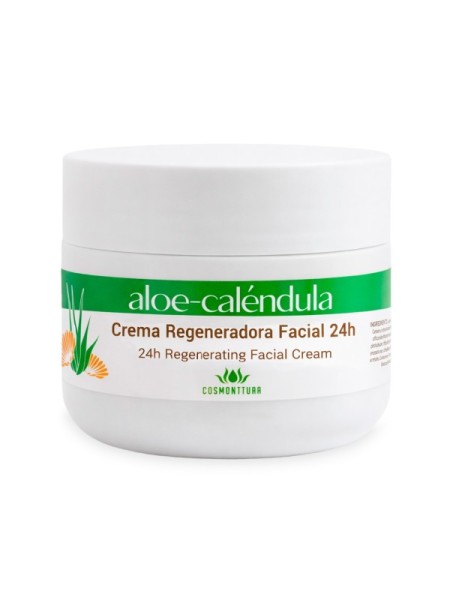
Regenerating Face Cream 24h 100 ml | for daily natural skincare, sensitive skin
A versatile option for everyday use.
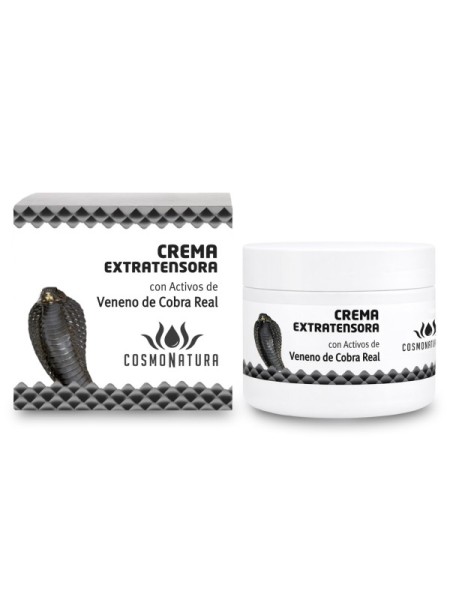
Extra-Firming Cream con activos de Cobra Venom 100 ml | for firming anti-ageing care
Designed for more specific care needs.
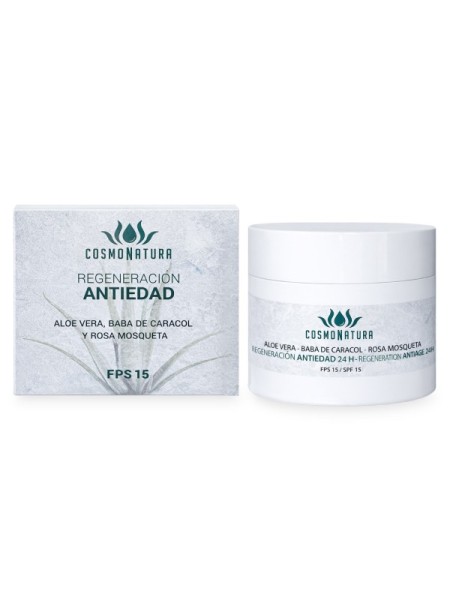
24H Anti-Ageing Cream Aloe-Facecol-Rosehip SPF 15 100 ml | for firming anti-ageing care
A complementary option for a more complete routine.
Effective hydration is not just “applying cream”
When it comes to hydration, many think only of a thick cream. But mature dry skin usually needs two different things: water and lipids. In other words, ingredients that attract moisture and others that help lock it in so it doesn’t evaporate quickly.
This is where hyaluronic acid becomes especially useful. Properly formulated, it helps skin feel more supple and comfortable. It doesn’t work miracles on its own, and in very dry skin it may fall short if not followed by a nourishing cream. Still, in a simple routine, it makes a real difference.
Order matters. First, apply a hydrating serum to slightly damp skin. Then, use a cream that seals in hydration and provides nourishment. If your skin is both dry and sensitive, it’s best to prioritize soothing formulas over piling on too many active ingredients at once.
Ingredients that usually work well for mature dry skin
There’s no need to fill your skincare bag with everything, but do choose wisely. Aloe vera is a highly appreciated base for this skin type because it hydrates, refreshes, and helps ease tightness. Hyaluronic acid provides surface-level moisture and immediate comfort. Well-chosen plant oils, such as rosehip oil, deliver nourishment and leave skin feeling more elastic.
Calendula can also be a good ally when skin feels reactive or dull. Its restorative and soothing profile fits perfectly in routines focused on daily comfort. On the other hand, very lightweight textures can feel pleasant on application but may fall short if skin is severely dehydrated. In those cases, it’s best to switch to a richer cream, especially at night.
Another interesting ingredient is vitamin C, but there are nuances. It can help brighten the dull look of mature skin, but it’s not always the best choice if skin is very dry and compromised at that moment. In those cases, it’s usually wiser to stabilize hydration first and then introduce it gradually.
Morning routine for mature dry skin
In the morning, less is often more. Start with a gentle cleanse. Then apply a serum with aloe vera and hyaluronic acid to add moisture and freshness without overloading skin. Next, use a hydrating cream that nourishes and keeps your skin comfortable for hours.
If you notice certain areas are very dry, you can apply a little extra cream to cheeks, the perioral area, or wherever tightness appears. You don’t need to soak your skin; just keep it protected. The final step is sunscreen, which should not be skipped on mature skin since daily exposure also contributes to discomfort and visible aging.
Night routine to repair and nourish
The night is the ideal time to care for mature dry skin because there’s no rush and your skin can rest. After a gentle cleanse, apply a hydrating serum and then a richer cream than you use during the day. If your skin benefits from oils, a few drops of rosehip oil at the end can add extra nourishment.
If you use retinal, it’s wise to approach it sensibly. It’s an interesting anti-aging active, but in mature dry skin it should be introduced gradually and always paired with a very hydrating routine. If you experience stinging, extra tightness, or peeling, it doesn’t mean you can never use it; it often indicates that the frequency or the rest of your routine isn’t properly balanced.
A sensible approach is to alternate. For example, dedicate some nights to hydration and others to retinal, while always watching how your skin responds. Forcing it usually doesn’t yield better results.
Common mistakes when trying to moisturize mature dry skin
One of the most common mistakes is switching products every few days in the hope of immediate results. Mature dry skin responds better to consistency than to constant experimentation. Another mistake is using exfoliants too often to “remove dryness.” When there’s tightness, the priority is to repair and protect, not to polish.
It’s also worth checking water temperature. Washing your face with very hot water can worsen the feeling of dryness, even if it feels pleasant at the moment. Another common mistake is using too little product for fear of feeling greasy. In reality, a well-chosen cream doesn’t have to feel heavy, but it should leave skin comfortable.
How to adapt your routine according to the time of year
Your skin doesn’t need exactly the same care in August as in January. In winter, cold and heating often call for richer textures and a more protective routine. In summer, many prefer lighter layers, but that doesn’t mean giving up hydration. You just change the texture, not the essential need.
If your skin is better some months and worse in others, it doesn’t mean you’re doing something wrong. It means it needs adjusting. A hydrating serum can stay the same year-round, while your cream may vary depending on the climate, the level of tightness, or even hormonal changes.
How to tell if your skin is truly well hydrated
It’s not just about looking good right after applying products. Truly hydrated skin feels comfortable for hours, doesn’t cry out for cream every little while, and feels less fragile. Makeup sits better, dehydration lines are less visible, and the overall texture looks more even.
If you wake up in the morning with your skin feeling tight, or if you notice discomfort just a few hours after your routine, you’re likely missing nourishment, consistency, or a more balanced serum-to-cream combination. Sometimes the issue isn’t the product’s quality, but that your routine no longer meets your skin’s current needs.
What to look for when choosing products to moisturize mature dry skin
It’s most helpful to look for formulas focused on comfort, cosmetic repair and daily nourishment. Aloe vera, hyaluronic acid, rosehip and calendula work particularly well if you want a practical, gentle routine. If you also want to address signs of aging, you can incorporate vitamin C or retinal, but without turning the routine into an overload of actives.
In a brand like Aloeveraymas, the natural, functional approach makes sense for exactly that reason: it’s not about complicating your skincare, but about providing hydration, well-being and an easy-to-maintain routine. When a product is enjoyable to use, it’s much easier to stay consistent.
The best routine for mature dry skin isn’t the longest or the most expensive. It’s the one your skin tolerates well, the one that genuinely keeps you comfortable, and the one you can repeat every day without effort.


