

Skin doesn’t always give subtle warning. Sometimes simply cleansing your face, stepping out into the cold, or trying a new cream is enough to trigger that warm sensation and redness. In that context, calendula for facial redness often sparks interest for a very simple reason: it’s an ingredient known for its soothing effect and a perfect fit in natural skincare routines for sensitive skin.
You don’t need a complicated routine to feel relief. When skin is upset, what works best is often exactly the opposite: fewer steps, comfortable textures, and actives that respect the skin barrier. Calendula fits well here, but it’s important to understand what it can actually do, when it’s worth using, and which other ingredients it pairs well with.
What Calendula Can Do for Facial Redness
Calendula is used in cosmetics for its soothing and comforting profile. On skin that tends to redden easily, it can help reduce irritation and leave the skin more balanced. It doesn’t act the same in every case since redness can come from dryness, sensitivity, friction or a poorly adjusted routine. Still, when the issue is related to surface irritation or discomfort, it’s usually a very welcome option.
Its strength isn’t transforming skin overnight, but supporting it as it regains calm. That’s why you often see it in nourishing facial creams, reparative balms, gentle toners or formulas designed for dry and sensitive skin. When the texture also includes humectant and emollient ingredients, the result is more complete: less tightness, more hydration and a visibly calmer complexion.
There’s also a practical advantage. Unlike harsher actives, calendula generally integrates well into simple routines without requiring too many adjustments. For many people that’s key, because when the face is reactive, the priority isn’t experimenting but restoring comfort to the skin.
Products selected for this guide
Choose the option that best fits your skin and your routine.
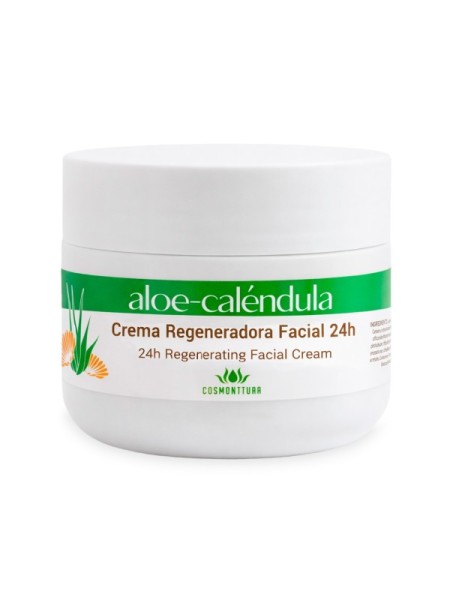
Regenerating Face Cream 24h 100 ml | for daily natural skincare, sensitive skin
A versatile option for everyday use.
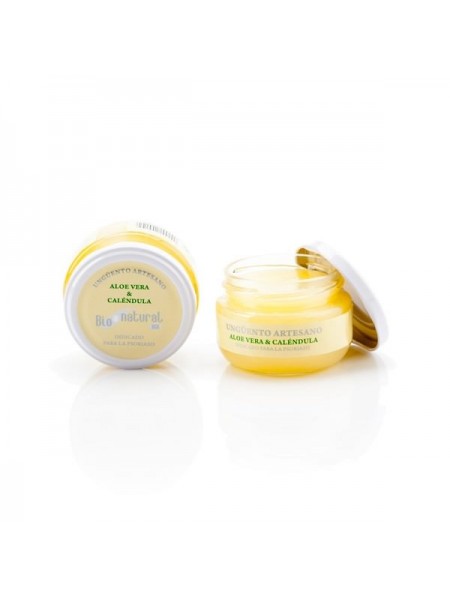
Handmade Aloe Vera and Calendula Balm – Intensive Care for Dry or Sensitive Skin
Designed for more specific care needs.
When It’s Worth Using
Not all redness calls for the same approach. If you notice a flushed complexion after cleansing, with dry patches or a mild burning sensation, a formula with calendula can be a good choice. It’s also useful when skin goes through seasonal stress—like temperature changes, wind or dry indoor air.
However, if you’re using too many exfoliating actives or a potent retinol and your skin is suffering, calendula can help soften the routine but doesn’t replace the main adjustment. In that case, it’s sensible to reduce the frequency of intense products and reinforce soothing and hydrating care. Calendula adds support but can’t on its own compensate for a routine that’s harming the skin.
It’s especially interesting for three very common skin types. First, dry skin that reddens easily. Second, sensitive skin that reacts to heavily fragranced or too-active cosmetics. And third, mature skin that needs comfort as well as treatment, since over time the skin barrier can become more fragile.
How to Use Calendula in Your Daily Routine
The easiest way to introduce it is through a soothing facial cream. It’s the most practical option because it combines the comforting action of calendula with a layer of hydration that helps prevent water loss. Applied morning and night to clean skin, it usually fits effortlessly into almost any routine.
If your skin is especially sensitized, it’s best to simplify. A gentle cleanser, a hydrating serum if you tolerate it well, and a calendula cream can be enough for a few days. This short approach often works better than piling on products in hopes of speeding up results.
In the morning, calendula pairs well with hydrating and protective formulas. If you use hyaluronic acid, for example, apply it first to bring moisture into the skin and then seal it with a calendula cream. The result is usually a more comfortable feeling and less tightness or dullness in the complexion.
At night, it can be the soothing part of a more active routine. If you use vitamin C at other times of the day or retinol on some evenings, a reparative calendula cream can help balance the experience. The key is not mixing everything at once without strategy, but counterbalancing with products that provide comfort and support to the skin.
Best Ingredient Pairings
Calendula works especially well with aloe vera. It’s a very logical combination for sensitive skin, uniting freshness, hydration and soothing effect in one gesture. When a formula contains both ingredients, it’s often very pleasant after cleansing or whenever the skin needs a break.
It also pairs nicely with hyaluronic acid. While calendula soothes, hyaluronic acid helps maintain hydration. This duo is very useful when redness comes with dehydration, rough texture or a feeling of thin skin.
Another great partner is rosehip oil, especially for dry or mature skin. Rosehip oil brings nourishment and reparative sensation, and calendula makes the formula feel more comforting. It’s not always the best choice for very oily skin, but it works well for those seeking more elasticity and comfort.
With stronger actives like vitamin C or retinol, compatibility depends on how your skin reacts. There’s no one-size-fits-all rule. Some people tolerate a full active routine, while others need to alternate treatment nights with soothing nights. If your skin reddens easily, it’s usually best to start gradually and observe.
Which Texture to Choose if You Have Redness
Texture matters more than it seems. If you pick a product that’s too light for dry, sensitive skin, it may fall short and leave you feeling unprotected. If you choose one that’s too heavy for combination skin, it might feel greasy and you’ll end up using it less. The important thing is that the product feels pleasant and easy to maintain over time.
For dry skin, nourishing creams or lightweight balms with calendula, aloe vera and well-formulated plant oils tend to work best. For combination or normal skin with sensitivity, a soothing emulsion can provide the right balance. The best cream isn’t the one that looks most intense on paper, but the one your skin accepts both morning and night.
If you’re looking for a specific product, it makes sense to prioritize formulas aimed at sensitive skin, daily hydration or cosmetic barrier repair. This kind of focus aligns better with the real goal, which isn’t just “treat” redness but reduce the factors that sustain it.
Common Mistakes When Using Calendula for Facial Redness
The first is expecting an immediate, total effect. Calendula helps, but usually in a gradual way. Skin needs consistency, especially if it’s been dehydrated or irritated for a while.
The second mistake is using it within an overly aggressive routine. If you over-cleanse, exfoliate frequently and apply several actives in a row, any soothing ingredient will have limited impact. Before adding more products, it’s worth checking if your routine is too demanding.
The third is focusing only on the star ingredient and not the complete formula. A calendula cream can be very pleasant if well balanced, but if it includes elements your skin doesn’t tolerate, the experience changes. That’s why it’s worth choosing products designed for comfort, hydration and frequent use.
How to Choose a Calendula Product if You Have Sensitive Skin
Look for a formula with a clear objective. If your priority is redness and discomfort, soothing creams or gels that promise hydration, relief and daily care are the best match. If your skin is also dry, a more nourishing texture makes more sense than a very light gel.
It also helps to think about the rest of your routine. If you already use a hyaluronic acid serum, a cream with calendula and aloe vera can perfectly complete your care. If your goal is to combine calming with cosmetic regeneration, a formula that adds rosehip oil can be an interesting choice. In a specialized shop like Aloeveraymas, this kind of combination of natural ingredients and specific benefits makes a lot of sense because it simplifies the search.
You don’t need a perfect routine. For many skin types, improvements come when they stop switching products every week and find a stable base: gentle cleansing, calming hydration and consistency. Calendula often works best right there, within realistic routines you can maintain effortlessly.
If your skin reddens easily, think of calendula as a reliable support, not a miraculous fix. Sometimes the most noticeable change isn’t dramatic, but something more valuable: that your face stops asking for help every few minutes.


