

There’s a common question when starting a facial routine: you buy a vitamin C serum, it’s ready in your bathroom, yet you’re unsure whether to use it in the morning, at night or before your moisturizer. Knowing when to apply facial vitamin C can be the difference between glowing skin and forgetting the product without seeing clear results.
The good news is you don’t need to overcomplicate things. Vitamin C fits easily into simple routines, especially if you want brightness, anti-age support and a more even complexion. The key is to apply it at the right time and adapt it to your skin type.
When to apply facial vitamin C in your routine
In most cases, the facial vitamin C is applied in the morning on clean skin and before your moisturizer. This timing is practical because it helps your skin look fresh and radiant throughout the day, and it pairs well with other basic steps like a hydrating serum and sunscreen.
The most common sequence is: gentle cleanse, vitamin C, moisturizer and then sunscreen. If you use an eye contour cream, apply it before or after the serum depending on its texture, but don’t overthink it. The idea is to keep vitamin C in the upper layers so it can work effectively.
That doesn’t mean it’s forbidden at night. You can also use it in your evening routine if that suits you better or if you prefer a minimal morning regimen. Still, if you have to choose one time, morning is usually recommended for convenience and the immediate benefits most people seek: an instant glow, more brightness and a well-organized daily ritual.
Products selected for this guide
Choose the option that best fits your skin and your routine.
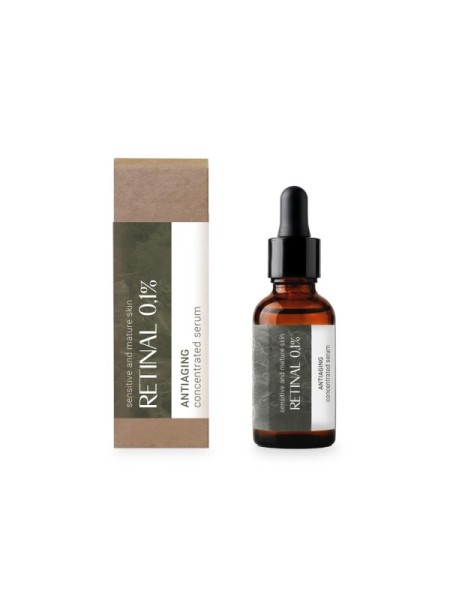
Retinal Anti-Ageing Serum 0.1% 30 ml | for firming anti-ageing care
A versatile option for everyday use.
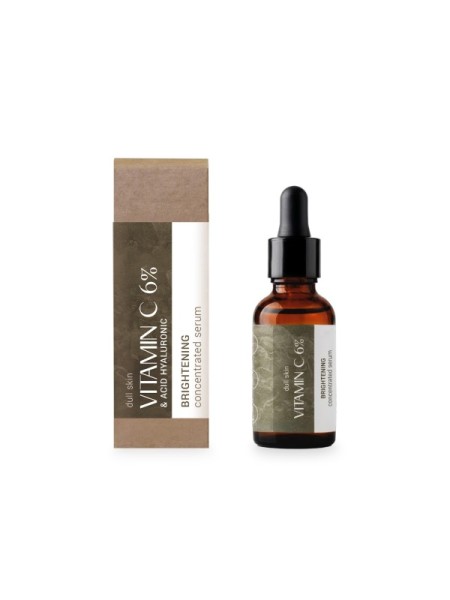
Antioxidant Serum Vit. C 6% 30 ml | for firming anti-ageing care
Designed for more specific care needs.
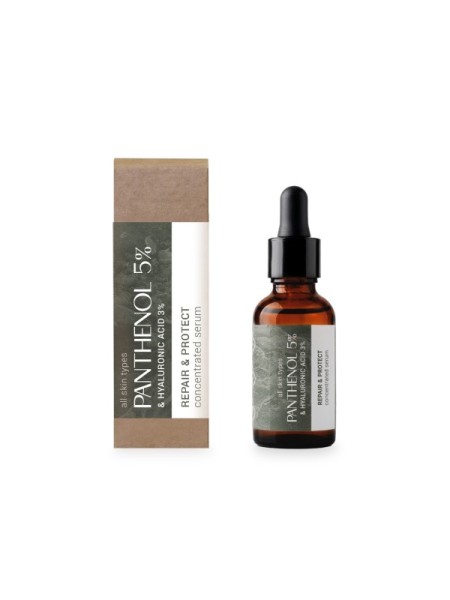
Panthenol Hydrating Serum 5% Hyaluronic Acid 3% 30 ml | for firming anti-ageing care
A complementary option for a more complete routine.
Exactly which step it goes in
This is where mistakes often happen. It’s rarely the product at fault—it’s the order. A vitamin C serum should be applied after cleansing and before thicker textures, such as rich creams or facial oils.
If your routine includes a mist, essence or hydrating toner, use it first if it’s lightweight and non-irritating. Next is vitamin C. If you also use hyaluronic acid, you can generally apply vitamin C first, then the hydrating serum, or vice versa if your sensitive skin tolerates a soothing layer better. Here, tolerance is more important than strict rules.
When the formula contains aloe vera, daily use often feels more comfortable, especially on dry or reactive skin. Aloe makes the experience gentler and prevents the active ingredient from feeling too harsh. That’s why, in simple, natural routines, a vitamin C serum with a hydrating base often works better than an overly intense formula for beginners.
Morning or night: which suits you better
If your goal is a practical routine, morning has the edge. Applying it at the start of the day encourages consistency and pairs perfectly with hydration and sun protection. For many people with dull, mature or dry skin, daily use instantly delivers a rested, radiant look.
The evening might work better in two cases. First, if your skin feels more comfortable with fewer layers in the morning. Second, if you already use other actives at night and want to space them out during the week. Still, avoid piling on products out of habit. More steps don’t always lead to better results.
With consistency, either option can work. What matters is choosing a time you can stick to effortlessly. A well-used vitamin C three or four times a week is more valuable than a perfect routine you abandon in ten days.
How to combine it with aloe vera, hyaluronic acid and retinal
Vitamin C generally plays well with hydrating and soothing ingredients. Aloe vera and hyaluronic acid are two of the most beneficial combinations, as they keep skin comfortable while boosting radiance and overall appearance.
With aloe vera, your routine gains balance. If you notice tightness, sensitivity or discomfort, a formula with aloe or a follow-up cream containing it can make daily use much easier. On mature or dehydrated skin, this combo is especially effective because it brightens without sacrificing soothing care.
With hyaluronic acid, the goal shifts slightly: vitamin C enhances skin brightness and hyaluronic acid helps lock in moisture and maintain a plump look. Together they form a helpful duo for anyone seeking a short yet complete routine.
When it comes to retinal, you need to be more cautious. It’s not always best to use both at the same time, especially if your skin is sensitive or you’re new to actives. In many routines, the easiest approach is vitamin C in the morning and retinal at night. This reduces the risk of overloading your skin and keeps things simple. If your skin is delicate, you can also alternate them on different days.
If you have sensitive, dry or mature skin
Not all skin types respond the same to vitamin C. For sensitive skin, start slow. You don’t have to use it daily at first. Try it on alternate mornings and observe your skin for one or two weeks. If it tolerates well, you can increase frequency.
For dry skin, pay attention to product texture and the rest of your routine. A serum that’s too light can fall short if you don’t follow with a moisturizer that seals in hydration. Formulas combining vitamin C with humectants or soothing agents work best, and a follow-up cream with aloe vera, rosehip or calendula can complete the care.
On mature skin, vitamin C is often a great ally because it helps the complexion look more vibrant and even. Still, it doesn’t replace a complete routine. It works best when paired with daily hydration and a tailored nighttime regimen, especially if you’re targeting signs of aging.
Common mistakes when using facial vitamin C
One of the most frequent errors is applying it after a heavy cream. If the serum goes on too late, it loses its practical benefit. Another common mistake is combining too many actives at once just because each promises a different benefit. Skin responds better to a cohesive routine than an overloaded mix.
It’s also important to avoid impatience. Some people expect immediate results and switch products after a few days. Vitamin C can provide a quick radiance boost, but long-term improvement comes with consistency.
Another common slip is ignoring how your skin feels. If you experience persistent stinging, dryness or discomfort, don’t just tough it out. Space out applications, review combinations and opt for milder formulas. An effective routine should be sustainable.
How to know you’re using it correctly
The clearest sign is not just brighter skin but also an easy-to-follow routine. If you apply the product confidently, it doesn’t irritate you and your skin looks better after a few weeks, you’re on the right track. Vitamin C doesn’t need to be a complicated step to be effective.
A practical reference is: if in the morning you cleanse, apply your vitamin C, hydrate and finish with sunscreen, you already have a solid structure. From there, you can adjust based on your skin’s needs. If you need more comfort, add aloe vera or a richer cream. If you use retinal at night, keep that separation. If you’re sensitive, reduce frequency at first.
In a natural skincare store like Aloeveraymas, this kind of routine makes a lot of sense because it combines well-known actives with ingredients that bring real wellness to your skin, without turning facial care into something complicated.
So, when to apply facial vitamin C
If you want a short answer, here it is: usually in the morning, after cleansing and before moisturizing. That’s the simplest and most effective way to integrate it into a daily skincare routine. From there, adjust according to your skin, your consistency and the products you already use.
You don’t need a ten-step routine to notice vitamin C. You need order, regularity and a formula your skin accepts well. When skincare fits your daily life, results become much easier to maintain.


