

The tightness that appears right after washing your face, the rough patches on your cheeks or forehead, and that feeling that your skin “needs something more” aren’t fixed by just any moisturizer. When the skin barrier is compromised, a repairing cream for dry skin can make the difference between hydration that lasts an hour and care that truly soothes, nourishes, and protects.
Not all dry skin types need the same, and that’s often the problem. There are lightweight formulas that fall short, very thick creams that feel uncomfortable during the day, and products that do hydrate, yes, but don’t help restore a comfortable feeling. Choosing wisely means focusing less on generic promises and more on how the formula actually works on your skin.
What a Repairing Cream for Dry Skin Should Do
A good repairing cream doesn’t just add water. It also helps retain it and reduce moisture loss throughout the day. If your skin is dry, it typically needs three things at once: immediate hydration, nourishment, and a protective layer that soothes that fragile feeling.
That’s why you should look for textures that leave the skin supple, not sticky, and provide relief from the very first application. The difference is especially noticeable on dry, sensitive skin, where any harsh cleansing, cold, wind, or even an overly active serum can increase discomfort.
In this context, ingredients matter a lot. The aloe vera is a perfect choice when you want soothing hydration, as it brings freshness and comfort without feeling heavy. If it’s combined with hyaluronic acid, calendula, or rosehip oil, the effect tends to be more complete: the skin feels more elastic, less tight, and looks healthier overall.
Products selected for this guide
Choose the option that best fits your skin and your routine.
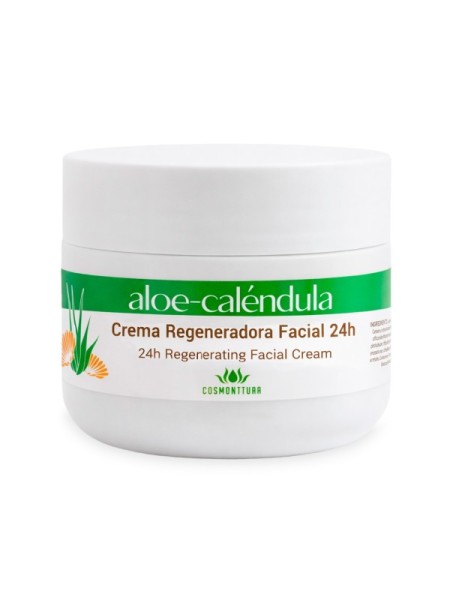
Regenerating Face Cream 24h 100 ml | for daily natural skincare, sensitive skin
A versatile option for everyday use.
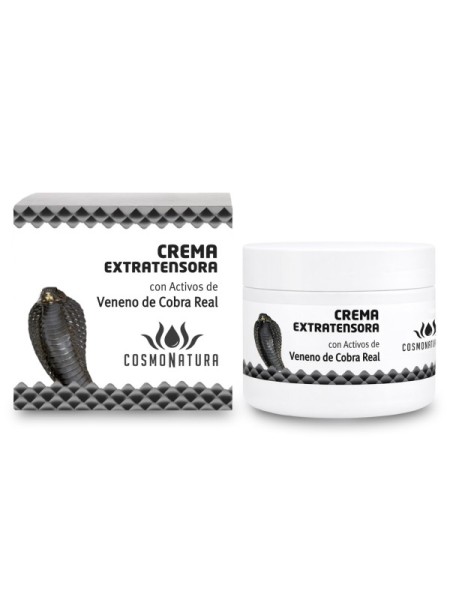
Extra-Firming Cream con activos de Cobra Venom 100 ml | for firming anti-ageing care
Designed for more specific care needs.
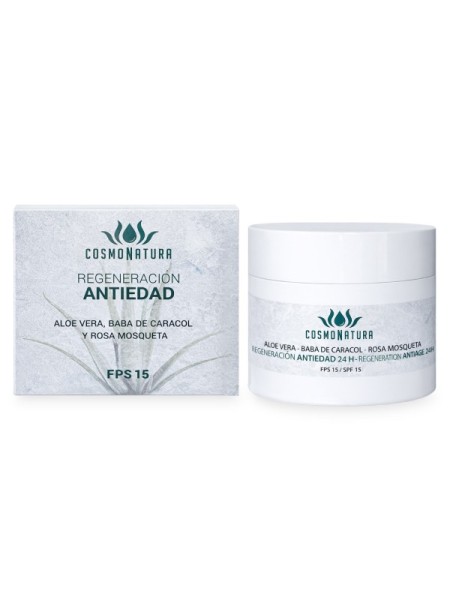
24H Anti-Ageing Cream Aloe-Facecol-Rosehip SPF 15 100 ml | for firming anti-ageing care
A complementary option for a more complete routine.
Ingredients Worth Seeking Out
When choosing a repairing cream for dry skin, certain active ingredients tend to perform especially well thanks to their practical profile and ease of integrating into a daily routine. Aloe vera is one of the most versatile for this skin type because it soothes and softens. It doesn’t replace the lipids that dry skin needs, but it greatly helps restore comfort when the skin feels dull or irritated.
Hyaluronic acid is also a great choice, especially if you notice dehydration in addition to dryness. Its role is to attract and hold moisture, although it works best when paired with a cream that locks in that hydration. Used alone, it can fall short on very dry skin.
Rosehip oil and calendula are two common allies when you’re after a reparative feeling. The former provides nourishment and helps improve the appearance of dry, distressed skin. The latter stands out for its calming properties, very useful when you have reactive areas or frequent discomfort.
The final texture of the formula also deserves attention. A cream with a good balance between the water phase and nourishing phase usually delivers better results than an overly light product. For dry skin, a lasting feeling of comfort is as important as quick absorption.
How to Know If Your Skin Needs a Repairing Cream, Not Just Hydration
There’s a clear sign: if you apply a cream and shortly after feel tightness again, your skin likely needs more than basic hydration. The same goes if you notice fine flaking, rough patches, occasional redness from dryness, or a lack of comfort throughout the day.
A repairing cream is designed to support the skin when it feels most vulnerable. It doesn’t have to be heavy or overly occlusive, but it should leave a comfortable film to help protect. In winter this becomes more evident, although many dry skin types also need it in summer, especially after sun exposure, air conditioning, or frequent cleansing.
If you also use actives like vitamin C or retinal in your routine, a good repairing cream can be the step that balances your skin. It’s not about giving up treatments, but about supporting the skin barrier to make your routine more comfortable and consistent.
Repairing Cream for Dry Skin: How to Choose Based on Your Routine
If you’re looking for a morning cream, prioritize a nourishing yet lightweight texture that doesn’t feel heavy and allows you to follow with sunscreen or makeup. In this case, aloe vera combined with hyaluronic acid and soothing botanical extracts usually works very well, as it hydrates without overloading the skin.
At night you can opt for a more indulgent formula. It’s the ideal time for richer textures, especially if your skin wakes up feeling tight or with visible dry patches. Here, well-formulated vegetable oils, rosehip oil, or calendula can provide an extra dose of nourishment and help your skin wake up more supple.
It’s also worth considering the rest of your routine. If you use an overly astringent cleanser, even the best cream will have more work than necessary. With dry skin, it’s usually better to opt for a gentle cleanse and a hydrating serum before the cream. That way, the repairing product doesn’t act alone but completes a simple, more effective routine.
Common Mistakes When Caring for Dry Skin
One of the most common mistakes is constantly changing products while expecting immediate results. Dry skin appreciates consistency. A proper formula needs several days of continuous use to show how comfort and softness improve.
Another frequent error is confusing a dense texture with higher efficacy. There are very thick creams that feel uncomfortable and don’t necessarily repair better. The important thing is for the skin to stay calm and protected for hours. If a cream feels too heavy and you end up using it less often, it’s not the best choice for you.
It’s also wise to avoid overloaded routines. When skin is dry, adding too many actives at once can increase the feeling of fragility. Often, a shorter routine works better: gentle cleanse, hydrating serum if you need it, repairing cream, and daytime sun protection.
When to Use It and How to Apply for Better Results
Application matters more than you might think. Ideally, use the cream on clean, slightly damp skin or right after a hydrating serum. This helps retain moisture better and prolongs the feeling of comfort.
On especially dry areas, like cheeks, around the lips, or the sides of the nose, you can apply a little extra and press with your hands instead of rubbing. This simple gesture reduces friction and feels more pleasant when the skin is sensitive.
If your dryness increases seasonally, there’s no need to wait until your skin worsens to switch creams. Having a repairing option on hand during cold, windy, or high environmental exposure often prevents tightness from escalating. In a specialized store like Aloeveraymas, this kind of product fits perfectly into practical routines for dry, sensitive, or mature skin.
What Kind of Results You Can Expect
The first thing you usually notice is relief. The skin feels less tight, more elastic, and more comfortable to the touch. Then, with consistent use, the overall appearance improves: fewer rough patches, a better feeling upon waking up, and skin that responds better to makeup or other treatments.
That said, results depend on the formula and the condition of your skin. If the dryness is occasional, improvement can be quick. If you’ve had a compromised barrier for a while, the change tends to be gradual. That’s why it’s worth choosing a cream you’ll genuinely want to use every day, with a pleasant texture and actives that suit you.
The best repairing cream for dry skin is not necessarily the most famous or the thickest. It’s the one that stops your skin from feeling uncomfortable, restores softness, and maintains that cared-for feeling for hours. When a formula combines aloe vera, well-engineered hydration, and soothing actives, daily care becomes much easier and more rewarding.
If your skin has been asking for relief for a while, start with the essentials: a simple, consistent routine, and a cream that truly repairs, not just decorates your cosmetics bag.


