
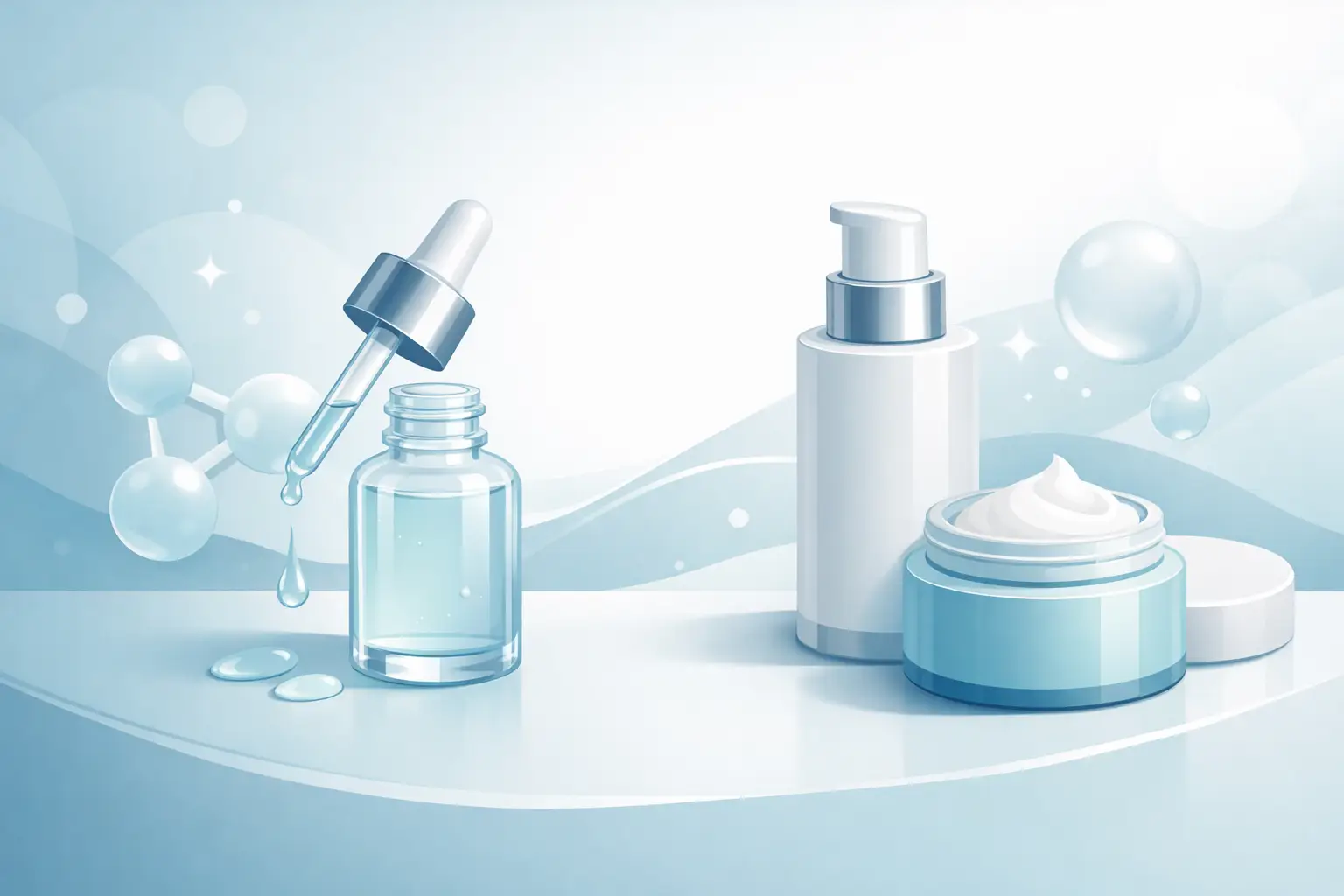
One question that comes up in almost every skincare routine is: serum or moisturizer. And it’s not a trivial question because the order and function of each product significantly affect the outcome. If your skin feels tight, dull, or sensitive even when you’re using “good products,” the issue might not be the cosmetic itself but how you’re combining them.
Serum or Moisturizer: They Don’t Compete, They Complement Each Other
Thinking you have to choose one or the other is a very common mistake. Serum and moisturizer don’t do exactly the same thing. The serum usually has a lighter texture and a higher concentration of specific actives, like hyaluronic acid, vitamin C or retinal. Moisturizer, on the other hand, is designed to provide comfort, softness and help maintain skin hydration.
Simply put, serum addresses a more specific need while moisturizer helps lock in and sustain that care. That’s why in many routines it’s not about choosing one but using both thoughtfully.
Which Comes First: Serum or Moisturizer
The usual order is clear: first serum, then moisturizer. The reason is practical. Because serum is more fluid, it’s better applied to clean skin so its actives spread evenly. Then the moisturizer adds a more enveloping layer that helps skin feel protected and comfortable.
If you do it the other way around, the moisturizer can hinder proper serum application. It doesn’t always ruin the routine, but it can make it less effective or less pleasant.
Products selected for this guide
Choose the option that best fits your skin and your routine.
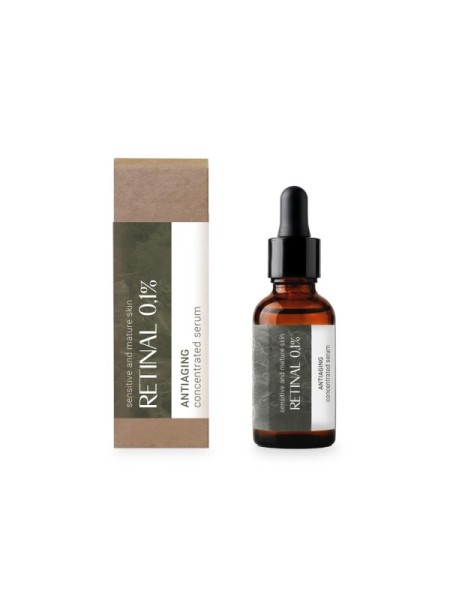
Retinal Anti-Ageing Serum 0.1% 30 ml | for firming anti-ageing care
A versatile option for everyday use.
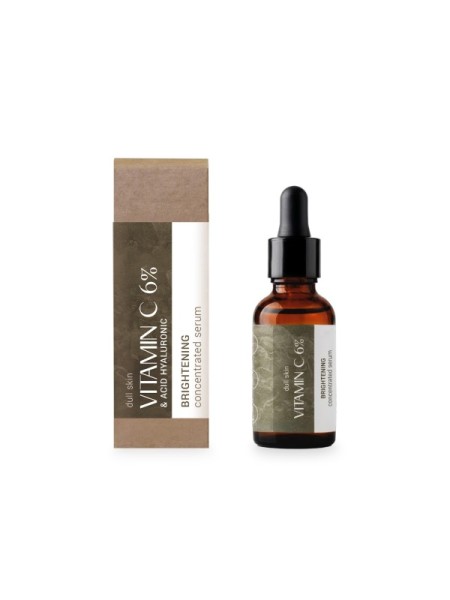
Antioxidant Serum Vit. C 6% 30 ml | for firming anti-ageing care
Designed for more specific care needs.
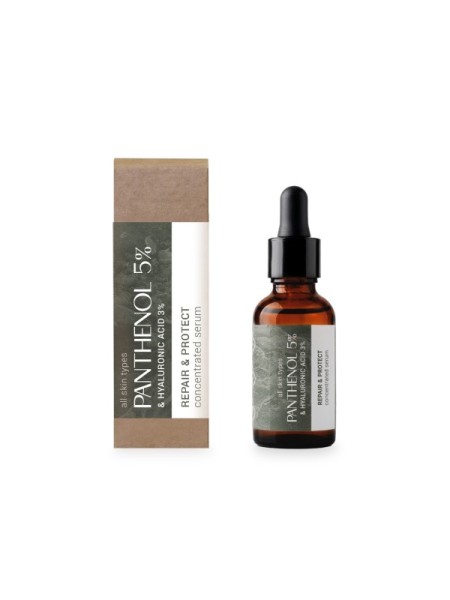
Panthenol Hydrating Serum 5% Hyaluronic Acid 3% 30 ml | for firming anti-ageing care
A complementary option for a more complete routine.
There’s a reasonable exception. If your skin is very sensitive and you’re using a potent active like retinal, it can sometimes work better to apply a light moisturizer first and then the treatment, or even adjust the routine based on tolerance. But that’s not about general hydration logic; it’s an adaptation for reactive skin.
What Serum Really Does
Serum doesn’t automatically replace a moisturizer. Its strength lies in specialization. If your skin needs an extra boost of hydration, a serum with hyaluronic acid and aloe vera can help it look fresher and more elastic. If you’re after radiance, one with vitamin C makes more sense. If your concern is signs of aging, a serum with retinal may fit better into your nighttime routine.
The key is not to expect one product to do it all. A serum can provide hydration, yes, but often that hydration needs additional support to last. That’s where moisturizer comes in.
Also, not every skin type experiences serum the same way. On oily or combination skin, a good serum can feel sufficient during the day, especially in warm climates. On dry or mature skin, it usually falls short when used alone.
What Moisturizer Brings to the Table
Moisturizer plays a highly welcomed role: providing immediate comfort and helping prevent tightness. It also enhances the daily routine experience, leaving skin more flexible, soft, and shielded against environmental dryness.
In formulas with aloe vera, calendula, or rosehip, you’ll find hydration plus care especially beneficial for sensitive, dry, or easily irritated skin. The moisturizer doesn’t have to be heavy to work. Many skins appreciate lightweight textures paired with ingredients that repair and support the skin barrier.
When someone says “no moisturizer hydrates me,” often the issue is that the skin first needs water and humectant actives, and then a moisturizer to lock them in. That’s why serum and moisturizer usually work better together than separately.
When to Use Only Serum and When to Use Serum Plus Moisturizer
It depends on your skin type, the time of year, and what you’re aiming for.
If you have combination or oily skin, a hydrating serum may be enough for some mornings, especially if you then apply a creamy sunscreen. On the other hand, if your skin is dry, sensitive, or mature, it typically benefits from a moisturizer after serum, both day and night.
Climate also plays a role. In summer, many prefer lighter routines. In winter or during dry air periods, moisturizer becomes more important because skin loses comfort more easily.
And there’s another real factor: tolerance. If you’re using vitamin C, retinal, or other actives and feel discomfort, introducing a suitable moisturizer can make the difference between giving up the routine or sticking with it consistently.
How to Choose Between Serum or Moisturizer According to Your Skin
Dry or Tight Skin
Here the combination of both often works best. A serum with hyaluronic acid and aloe vera can deliver deep hydration, and a nourishing moisturizer helps retain it. If your skin also tends to become sensitive, ingredients like calendula or rosehip add extra reparative care.
Sensitive Skin
The most important thing is not to overload your routine. A calming serum and a simple, well-formulated moisturizer are usually better than piling on too many actives. Sensitive skin appreciates consistency and comfortable textures, not daily experiments.
Mature Skin
Here, serum holds great value because it allows you to incorporate specific actives for firmness, radiance, or renewal. But moisturizer remains important for maintaining comfort and elasticity. A nighttime routine with serum followed by a nourishing moisturizer usually yields excellent results.
Combination or Oily Skin
There’s no need to fear hydration. Many combination skins avoid moisturizer for fear of shine and end up dehydrated. The ideal is to choose a lightweight serum and, if needed, a light-texture moisturizer. Using less product and choosing wisely often works better than skipping useful steps.
Common Mistakes When Combining Serum and Moisturizer
One of the most common mistakes is using too much product. More quantity doesn’t mean better results. If you apply several thick layers, your skin can feel heavy and the routine stops being pleasant.
Another mistake is mixing products without considering your skin’s real needs. For example, using a powerful serum and a highly active moisturizer when what you really need is balance and hydration. Sometimes the best routine isn’t the most comprehensive, but the most coherent.
It’s also worth managing expectations. If your skin is dehydrated, a single application won’t transform it completely. What usually works is consistency over several days or weeks with the right combination.
A Simple Routine That Makes Sense
In the morning, gently cleanse your face, apply a hydrating or antioxidant serum, and then a moisturizer if your skin needs it. The final step should always be sunscreen.
At night, you can adapt the routine more. If you’re after hydration and soothing, a serum with aloe vera or hyaluronic acid followed by a moisturizer. If you want to target signs of aging, you can use a retinal serum and finish with a comforting moisturizer to accompany that treatment.
There’s no need to overcomplicate it. A good skincare routine usually works best when you can maintain it daily with ease.
So, Serum or Moisturizer?
If you had to answer in one sentence, it would be this: serum first, then moisturizer, whenever your skin needs both. Serum provides treatment and moisturizer provides support. Together, they create a more complete, more comfortable, and usually more effective routine.
For a brand focused on natural, functional skincare like Aloeveraymas, this logic fits especially well: actives that address specific needs and textures that help the skin feel truly cared for, without unnecessary complications.
If you’re torn between the two, don’t think about which is better in the abstract. Consider what your skin is missing today. Sometimes it needs a boost. Other times, it needs a layer of calm. And often, it needs both applied correctly.


