

If your skin feels tight after showering, your makeup settles unevenly, or your regimen no longer gives you that comfortable feeling you expect, this complete guide to hyaluronic acid serum will clear up plenty of doubts. There’s no need for ten complicated steps or confusing terms. What often works best is understanding what this ingredient does, when to apply it, and how to choose a formula that truly suits your skin.
Complete Hyaluronic Acid Serum Guide: What It Really Does
Hyaluronic acid has earned a permanent place in many routines for one simple reason: it helps retain skin hydration and boosts comfort almost from the first uses. It’s not about “miraculous plumping”, but about helping your skin look more supple, smoother, and less dull when dehydrated.
In serum form, it’s easy to apply, absorbs quickly, and fits well into both minimal and extensive routines. For many with dry, sensitive, or mature skin, it’s one of those game-changing products that doesn’t weigh down daily care.
It’s also important to note: not all hyaluronic acid serums feel the same. The experience varies greatly depending on the formula. Some are very light and refreshing, others leave a richer veil. And when combined with aloe vera, glycerin, or soothing extracts, they tend to feel more pleasant for skin seeking hydration and relief at once.
What a Hyaluronic Acid Serum Is For
Its main role is to support skin hydration. Well-hydrated skin tends to look plumper, smoother, and feel less tight. Dehydration lines become less visible, and your complexion bounces back, especially during cold seasons, seasonal changes, sun exposure, or dry environments.
Products selected for this guide
Choose the option that best fits your skin and your routine.
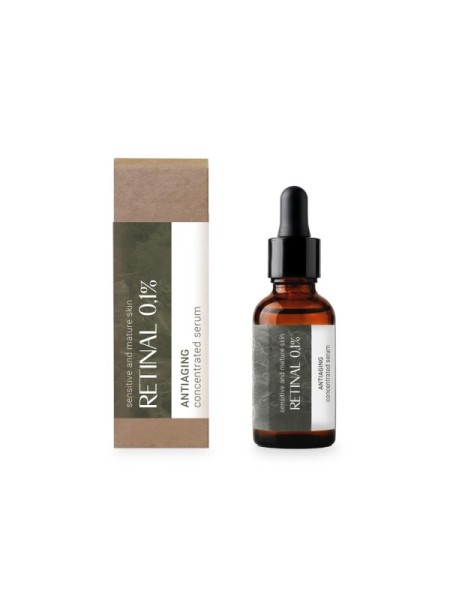
Retinal Anti-Ageing Serum 0.1% 30 ml | for firming anti-ageing care
A versatile option for everyday use.
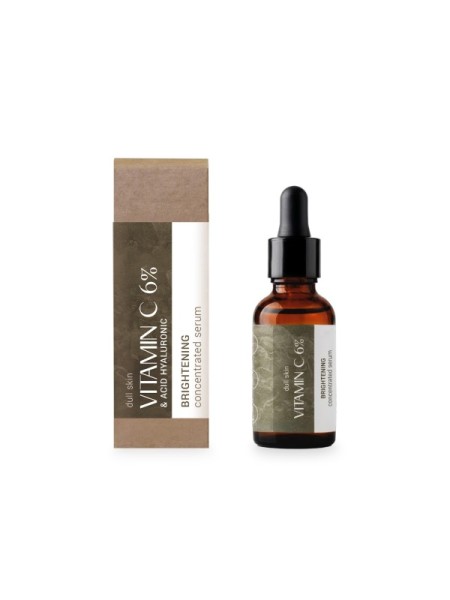
Antioxidant Serum Vit. C 6% 30 ml | for firming anti-ageing care
Designed for more specific care needs.
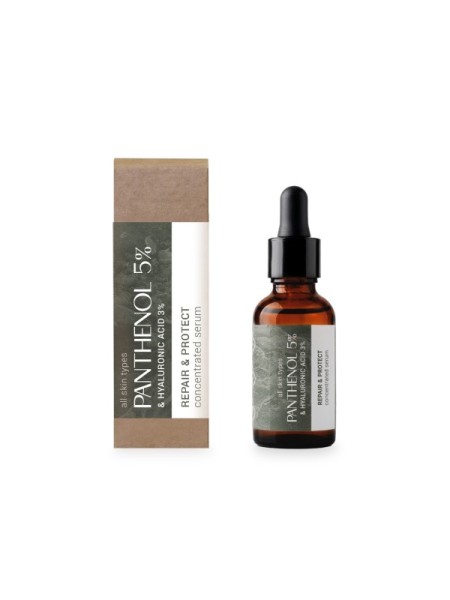
Panthenol Hydrating Serum 5% Hyaluronic Acid 3% 30 ml | for firming anti-ageing care
A complementary option for a more complete routine.
On sensitive skin, a good serum of this kind can provide comfort if the formula is simple and balanced. For mature skin, it usually integrates well into routines focused on maintaining elasticity and softness. And for combination or oily skin, it also makes sense, because hydration doesn’t mean heaviness. In fact, dehydrated skin often causes imbalances precisely because it’s not getting the care it needs.
That said, it’s important to have realistic expectations. A hyaluronic acid serum doesn’t replace all your steps nor solve every skin concern on its own. It works best as part of a coherent routine.
How to Choose the Best Serum for Your Skin Type
This is where many purchases go wrong. It’s not enough to see “hyaluronic acid” on the label. What really matters is the overall formula and how it matches your needs.
If you have dry skin, you’ll likely benefit from a serum that pairs hyaluronic acid with hydration-locking ingredients like aloe vera or glycerin. Applying a cream after the serum usually helps the effects last longer and keeps skin comfortable throughout the day.
If your skin is sensitive, it’s best to choose formulas with few ingredients, minimal fragrance, and soothing actives. In this case, aloe vera can be a great ally, providing a fresh, comforting feel, especially when your skin feels reactive or tight.
For mature skin, hyaluronic acid works well alongside other routine actives like vitamin C in the morning or retinal at night, as long as your skin tolerates them. The key isn’t stacking products, but combining them wisely to maintain hydration, softness, and a healthy appearance.
And if you have combination or oily skin, look for light, fast-absorbing textures with no heavy finish. A good hydrating serum can help balance your routine without leaving a sticky feel.
How to Use It Correctly for Noticeable Results
The best time to apply hyaluronic acid serum is after cleansing and before moisturizer. Ideally, your skin should be slightly damp, not dripping, as this makes application more comfortable and helps the skin feel more pliable.
Just a few drops are enough. There’s no need to overload your face. Gently spread it over the face and neck, let it settle for a few seconds, then apply your usual moisturizer. This final step is crucial, as it helps lock in hydration and prevents the skin from needing extra nourishment or protection.
In the morning, it can go on before moisturizer and sunscreen. At night, it works well as a hydrating base before a repair cream or other carefully chosen actives. If your routine includes vitamin C, retinal, or oils like rosehip, hyaluronic acid usually pairs nicely by offering balance and comfort.
Common Mistakes When Using a Hyaluronic Acid Serum
One of the most common mistakes is thinking that more product means better results. In reality, using too much is often unnecessary and can leave an uncomfortable feeling.
Another common error is applying the serum and not sealing it with a cream when your skin needs it. This is especially noticeable on dry or mature skin. The serum hydrates, but the cream helps retain that hydration longer.
Choosing the wrong formula can also fail you. Some try a very light serum expecting a more nourishing effect, while others pick one too thick for skin craving freshness. That’s why you should shop based on your actual skin needs, not just trends.
And finally, there’s impatience. A well-formulated serum can boost moisture feel from the start, but the best overall results usually appear with consistent use. Regularity matters more than excess.
Complete Hyaluronic Acid Serum Guide in a Simple Routine
If you want an easy routine, this ingredient fits perfectly into three steps: gentle cleanse, serum, and moisturizer. In the morning, add sunscreen. That gives you a solid foundation for skincare without fuss.
If you prefer a more complete routine, you can adjust it by time of day. In the morning: cleanse, hyaluronic acid serum, vitamin C (if you use it), moisturizer, and sunscreen. At night: cleanse, serum, then a nourishing cream or a targeted treatment like retinal, if your skin is used to it and tolerates it well.
For skin that needs repair or extra relief, combining formulas with aloe vera, calendula, or rosehip makes a lot of sense. This mix of hydration and soothing care aligns well with a practical approach to skincare: making your skin look better, yes, but also feel better.
Which Texture and Finish Work Best
Texture matters more than you might think. If a serum feels uncomfortable, you’ll end up leaving it on the shelf. Fluid formulas are popular for combination skin, temperate climates, or quick routines. More enveloping textures often work better for dry skin or colder seasons.
What you apply afterward also influences your choice. If you use a rich cream, you might prefer a lightweight serum. If your moisturizer is very basic, a more enhanced serum may suit you. There’s no single right answer. It depends on the balance between your skin type, the season, and the rest of your routine.
When It’s Worth Incorporating
If your skin feels tight, dull, or dehydrated, it’s usually a good time to introduce it. Also when you need a hydrating step without heaviness. Many start using it in cold seasons or as skin changes with age, but you don’t need to wait for visible damage to include it.
In a specialized store like Aloeveraymas, it makes sense to seek this product not only for the key ingredient but for the formula’s balance and how it fits into a real routine. Ultimately, what helps most isn’t an impulse buy, but choosing a serum you can use daily with ease and see visible results.
If you’re choosing between several options, focus less on promises and more on actual feel and needs. Skin that feels comfortable, supple, and well-cared-for often begins with a simple, consistent, and well-chosen routine.


