
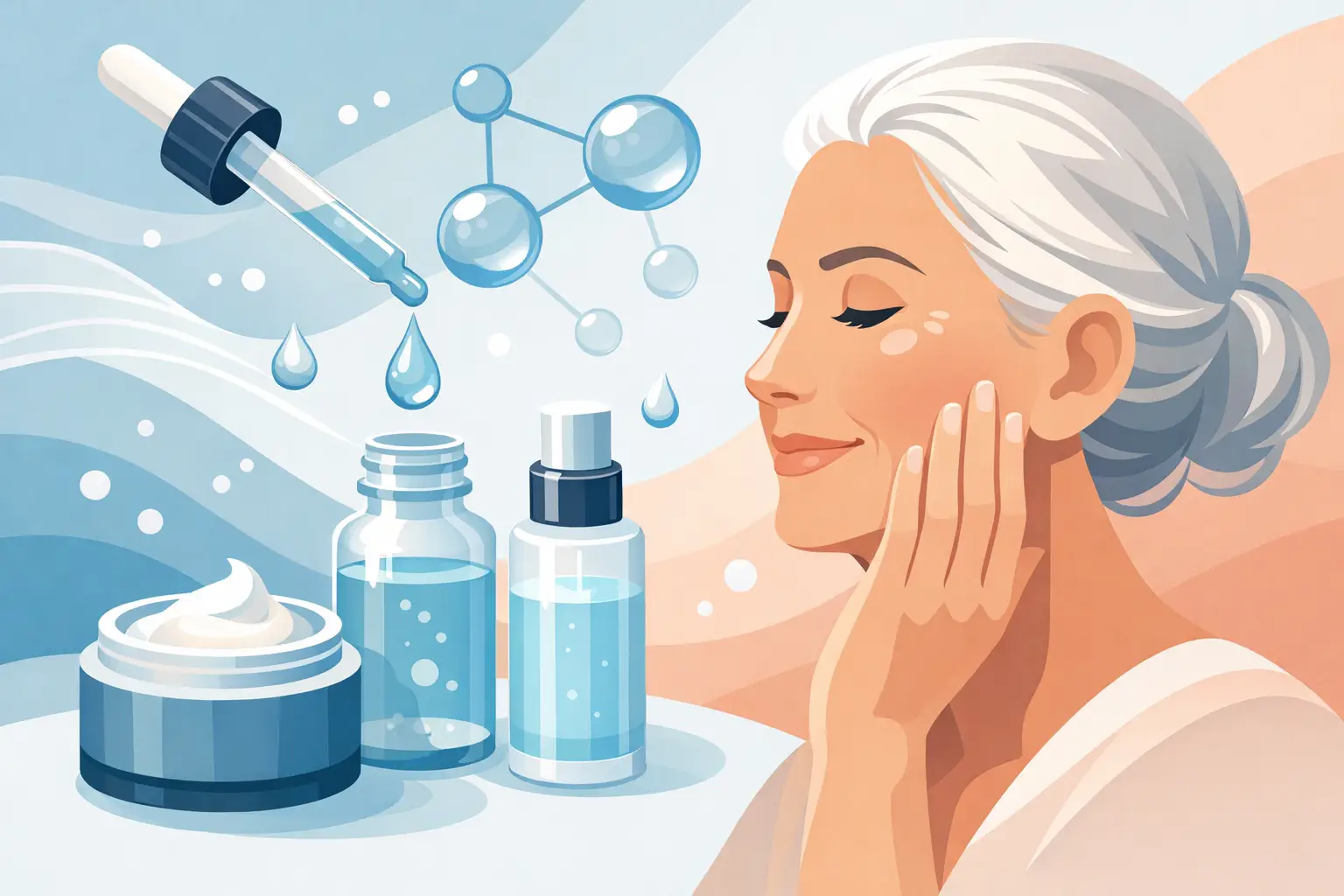
If you notice your skin feeling thinner, tight when you wake up, or lacking radiance even though you use moisturizer every day, the hyaluronic acid for mature skin is often one of the actives you’ll appreciate fastest in your routine. Not because it works miracles, but because it helps retain water, improves comfort, and gives skin that plump, dewy look that becomes harder to maintain with time.
The key is using it correctly. Too often, you buy a hyaluronic acid serum expecting it to solve everything on its own—and that’s where the disappointment comes in. For mature skin, hydration performs best when thought of as a system: gentle cleansing, a hydrating serum, a sealing cream, and, if it fits your routine, other actives that work on elasticity, texture, and luminosity.
What hyaluronic acid can do for mature skin
Over time, skin tends to lose water more easily and can also become more sensitive to temperature changes, dry air, or overly aggressive routines. That’s why a good hyaluronic acid for mature skin isn’t valued just for visually “plumping,” but for something more basic and important: making your skin feel comfortable for hours.
When this active is well formulated, it helps the skin’s surface look smoother and more flexible. Fine dehydration lines appear less noticeable, makeup sets better, and tightness is reduced. This effect is especially useful on dry or sensitive mature skin, where daily comfort matters as much as the aesthetic result.
That said, it’s important to set realistic expectations. Hyaluronic acid doesn’t replace other treatments aimed at deep wrinkles, dark spots, or loss of firmness. It’s an excellent hydration base, but in many mature routines it works best alongside ingredients like vitamin C, retinal, or regenerating oils, rather than as the sole star product.
Products selected for this guide
Choose the option that best fits your skin and your routine.
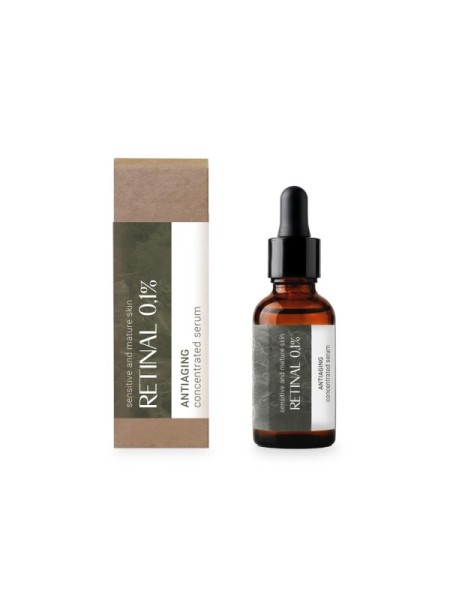
Retinal Anti-Ageing Serum 0.1% 30 ml | for firming anti-ageing care
A versatile option for everyday use.
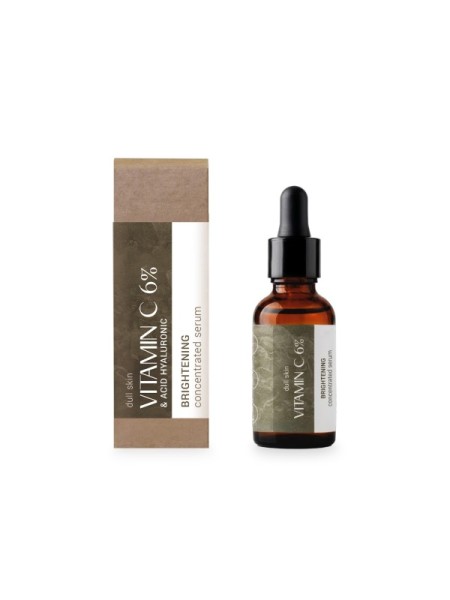
Antioxidant Serum Vit. C 6% 30 ml | for firming anti-ageing care
Designed for more specific care needs.
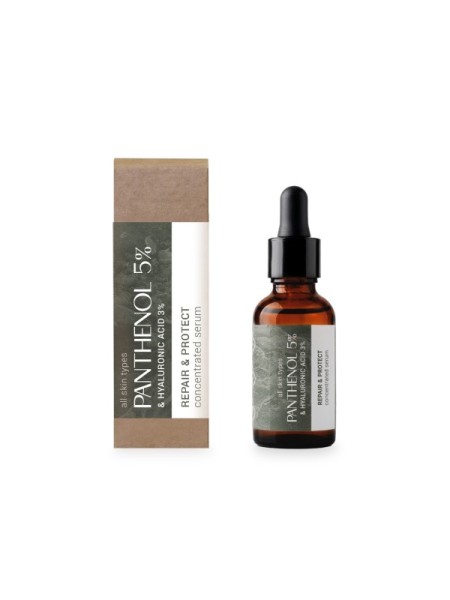
Panthenol Hydrating Serum 5% Hyaluronic Acid 3% 30 ml | for firming anti-ageing care
A complementary option for a more complete routine.
How to choose a hyaluronic acid for mature skin
Not all products deliver the same experience. On mature skin, it often pays off more to look for pleasant, easy-to-maintain formulas rather than ultra-light textures that offer little comfort. If your skin is dry, a serum with hyaluronic acid and aloe vera can provide extra soothing hydration without complicating your routine.
It’s also worth paying attention to the format. A serum is the most common option because it fits into morning and evening routines easily, but it’s not the only one. There are creams with hyaluronic acid that are more practical for those who prefer fewer steps or for anyone who finds a serum insufficient without a follow-up seal. On mature skin, that final layer is important—if you only add moisture and don’t reinforce the barrier with a cream, the results may not last as long.
Another useful tip is to combine it with ingredients suited to your skin type. If your mature skin is also sensitive, formulas with aloe vera or calendula work well. For more complete nourishment and repair, you might include rosehip oil in another step. And if your main concern is loss of radiance, hyaluronic acid pairs nicely with vitamin C, as long as your skin tolerates it.
How to use hyaluronic acid for mature skin without overcomplicating
The best routine isn’t the longest, but the one you can stick to. In most cases, hyaluronic acid for mature skin is applied to clean, slightly damp skin before your cream. When the skin is a bit moist, the sensation is more pleasant and the product spreads more evenly.
In the morning, a simple routine works very well: gentle cleanse, hyaluronic acid serum, moisturizer, and sunscreen. This order helps your skin stay comfortable all day and prevents makeup from settling into dehydration lines.
At night, you can repeat the serum and follow with a richer cream. If you also use retinal, it’s wise not to overload your skin. Many mature skins benefit from alternating nights or applying the treatment active first and then a layer of moisturizer to offset dryness. It depends on how your skin responds and how simple or comprehensive you want your routine.
Which ingredients pair well
Here’s one real advantage of hyaluronic acid: it’s easy to integrate. It rarely competes with other actives and can improve your overall routine, especially if you notice dullness or discomfort.
With aloe vera, it forms a very logical duo for mature, dry, or sensitive skin. Aloe brings a cooling effect and soothing properties, while hyaluronic acid boosts surface hydration. It’s a very welcome combination when skin looks tired or reacts badly to intense products.
With vitamin C, it’s a great morning option. Vitamin C focuses on radiance and an even tone, while hyaluronic acid provides hydration and comfort. Together, they leave skin looking fresher and more supple—especially noticeable on faces showing visible signs of fatigue.
With retinal, it also fits, but with nuances. Retinal is often used in routines targeting texture, lines, and visual renewal. The issue is that some mature skins find it drying at first. Hyaluronic acid helps balance the routine, although it doesn’t completely eliminate the initial adjustment.
And if your skin needs extra nourishment, a cream or rosehip body oil can nicely round out the routine. Hyaluronic acid hydrates; rosehip oil adds a comforting, nourishing finish. They don’t do the same thing, which is exactly why they complement each other.
Common mistakes when using hyaluronic acid for mature skin
One of the most frequent mistakes is thinking that more is better. There’s no need to saturate your skin. A few well-spread drops of serum are usually enough. If you apply too much, the texture can feel sticky and make your routine less pleasant—something that often leads to giving it up.
Another common error is not sealing it with an appropriate cream. On mature skin, this makes a big difference. The serum hydrates, but the cream helps lock in moisture and reinforces that protective feeling. If your skin feels tight after an hour, you probably don’t need more serum but rather a better-suited cream.
Also, avoid overloading your routine with too many new actives at once. If you introduce hyaluronic acid, vitamin C, retinal, and an exfoliant in the same week, it’s hard to know what’s working and what’s causing irritation. Mature skin usually appreciates consistency more than an overload of new products.
Which texture to choose based on how your skin feels
If your mature skin is thin, dry, or sensitive, gel-serum textures with aloe vera or lightweight creams with hyaluronic acid often work best. They absorb easily, don’t feel heavy, and leave a comfortable sensation without much rubbing.
If, on the other hand, you feel more dryness than sensitivity, a rich cream with hyaluronic acid may be more useful than a very watery serum. In those cases, skin appreciates formulas that not only hydrate but also provide an enveloping, long-lasting feel.
And if you prefer a short routine, there’s nothing wrong with prioritizing two well-chosen steps. A quality hyaluronic acid product and a comprehensive cream can do more for consistency than five cosmetics you end up using half-heartedly. At Aloeveraymas, this practical approach fits what most mature skins really need: less complication and more visible results in comfort, hydration, and a rested appearance.
When you’ll notice results
Hyaluronic acid has a clear advantage: the sensation of hydration is usually noticeable quickly. Sometimes from the very first application, skin looks more supple and less dull. That’s very motivating, especially if you’ve been using a routine that no longer works for you.
What takes longer is the cumulative effect of a well-structured routine. If you’re consistent for several weeks, skin generally appears more balanced, with less tightness and better response to makeup or cold weather. It’s not a drastic change, but a gradual improvement you notice day by day.
If your mature skin is craving hydration, there’s no need for complicated formulas or exaggerated promises. Sometimes the step you feel most is the simplest one: giving your skin water, helping it retain it, and pairing it with a cream that truly keeps it comfortable from morning to night.


