

The first time you use retinal at night, the most common mistake isn’t choosing the wrong product, but expecting results too quickly. If you’re looking for how to use retinal at night, the key isn’t applying a lot, but applying it correctly with a simple, consistent routine that respects your skin.
Retinal is a highly valued active ingredient for improving skin appearance, smoothing texture, and supporting routines focused on firmness, radiance, and renewal. However, it also requires patience. Especially if your skin is dry, sensitive, or mature, it’s best to start slowly and boost hydration from day one.
Step-by-Step: How to Use Retinal at Night
The most practical way to introduce it is with a short routine. First, cleanse your face with a gentle product that doesn’t leave skin feeling tight. Then dry your skin thoroughly. This step is more important than it seems, as applying retinal on damp skin can feel stronger and increase discomfort in the first weeks.
When your skin is completely dry, apply a small amount of retinal to your face. You don’t need much. A pea-sized amount is usually enough for the entire face. Gently spread it, avoiding the immediate eye area, the corners of the nose, and the lip area if they’re prone to irritation.
Then finish with a moisturizer. If it contains aloe vera, hyaluronic acid, calendula, or rosehip, even better, as it helps keep the skin comfortable and supports the renewal process without overloading your routine. In the morning, cleanse gently and use sunscreen.
Products selected for this guide
Choose the option that best fits your skin and your routine.
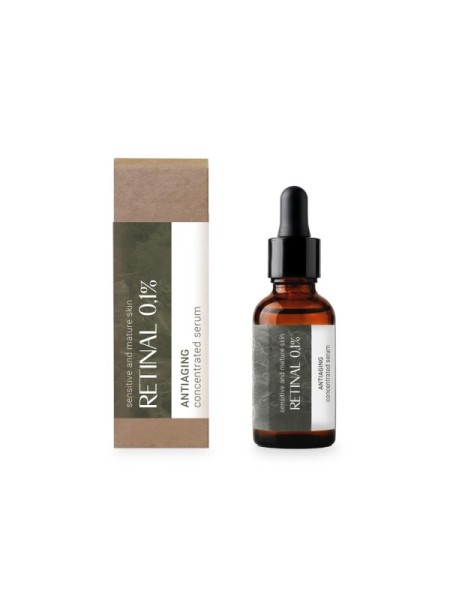
Retinal Anti-Ageing Serum 0.1% 30 ml | for firming anti-ageing care
A versatile option for everyday use.
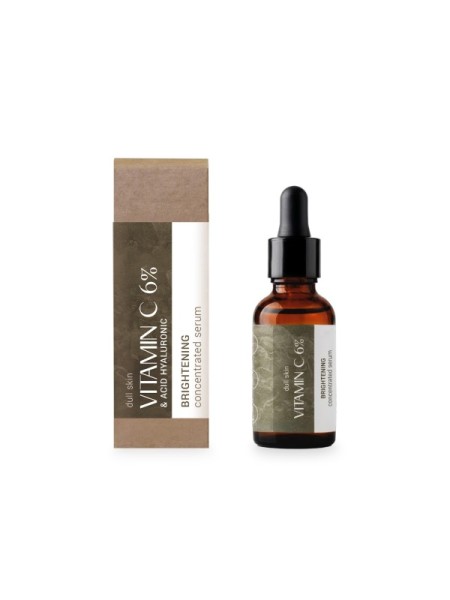
Antioxidant Serum Vit. C 6% 30 ml | for firming anti-ageing care
Designed for more specific care needs.
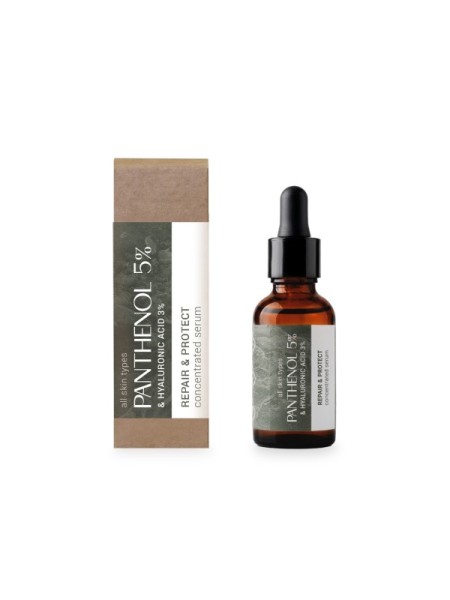
Panthenol Hydrating Serum 5% Hyaluronic Acid 3% 30 ml | for firming anti-ageing care
A complementary option for a more complete routine.
How Often to Use Retinal at Night
Here, it’s advisable to take it slow. During the first two to three weeks, it’s most reasonable to start with two nights a week. If your skin tolerates it well, you can move to alternate nights. Later, some people use it daily, but it’s not always necessary.
The best frequency isn’t the maximum your skin can handle but the one that lets you stay consistent without noticeable tightness, marked peeling, or stinging. If increasing frequency causes irritation, it doesn’t mean retinal isn’t for you. Often, it just indicates you need to space out applications and boost hydration.
For sensitive skin, a slow approach usually works better than an intense start. For combination or skin already used to actives, adaptation can be faster. Even so, the general rule remains the same: less product, better frequency, more consistency.
How to Start If Your Skin Is Sensitive or Dry
If your skin reacts easily, there’s a very useful way to begin: the sandwich method. It involves applying a light layer of moisturizer first, then the retinal, and then another thin cream layer. It doesn’t reduce the routine’s effectiveness. What it does is soften the active’s entry and reduce dryness.
This method fits especially well with aloe vera routines because it provides comfort without weighing the skin down. It’s also ideal if you use retinal in cold months when the skin barrier tends to feel more fragile.
Another practical tip is not to combine too many actives in the same night. If you’ve just started with retinal, there’s no need to add exfoliants or intense formulas in the same routine. A gentle cleanse, retinal, and a good cream are usually sufficient.
What to Combine and What to Avoid in the Same Night
Retinal works best when the routine isn’t complicated. It pairs well with hydrating and soothing ingredients. Hyaluronic acid helps keep skin more supple. Aloe vera provides relief and freshness. Calendula and rosehip are great allies if you notice more delicate skin or need cosmetic repair.
On the other hand, it’s wise to be cautious with other actives that could be too intense together, especially at first. If you’re already using vitamin C, it’s usually easiest to reserve it for the morning and save retinal for the night. This way, each product has its space and your skin works with less overload.
It’s also a good idea to avoid harsh cleansers or toners that leave the skin feeling tight. If the base of your routine is drying, retinal becomes harder to tolerate.
Common Mistakes When Using Retinal at Night
One of the most common mistakes is thinking that more product yields faster results. With retinal, the opposite happens. Excessive amounts don’t improve the routine and can cause more skin disruption.
Another frequent error is using it several nights in a row from the start. Skin needs time to adapt. If you rush, it’s easy to enter a cycle of irritation, pause, recovery, and starting over. That delays progress more than a gradual approach.
It’s also wise not to apply it too close to sensitive areas. The sides of the nose, lip contour, and eye area tend to feel dryness first. You can protect those areas with a small amount of cream before applying retinal if you know they’re prone to discomfort.
And there’s a very simple mistake that sometimes goes unnoticed: not using a moisturizer afterward. Retinal shouldn’t stand alone in a routine designed for comfortable, sustainable skin care.
How to Know if You’re Using It Correctly
The clearest sign isn’t that your skin changes overnight but that the routine feels manageable. If your skin feels comfortable, without persistent burning, and adapts progressively, you’re on the right track. Over the following weeks, many people notice more even skin, improved texture, and a more rested appearance.
If clear discomfort, intense peeling, or constant sensitivity appear, it’s best to reduce frequency. You can go back to two nights a week, use the sandwich method, or check if you’re combining too many actives at once.
Consistency always yields better results than intensity. A simple, repeatable routine that’s well tolerated is usually more effective than an ambitious one your skin can’t maintain.
How to Use Retinal at Night Within a Complete Routine
A realistic nighttime routine doesn’t need ten steps. In fact, for most skin types, something easy to follow works better. The most useful structure usually is: gentle cleanse, retinal, moisturizer. If you need extra comfort, you can add a light hydrating serum first or use a moisturizer with aloe vera to keep the skin calm.
If you also stick to a morning routine, it makes sense to incorporate other actives like vitamin C, as long as your skin tolerates them well. Separating the times helps each product do its job without competing in the same night.
In a store specialized in natural, active skincare like Aloeveraymas, this type of routine makes special sense because it combines efficacy with ingredients that support your skin without making facial care complicated.
When It’s Worth Adjusting Your Routine
Not all skin needs the same care year-round. In summer, after sun exposure or during periods of heightened sensitivity, it can be helpful to lower the frequency. In winter, many dry skins appreciate a richer cream after retinal. And if you notice your face is more reactive than usual, it’s fine to simplify for a few days.
The best routine is the one that adapts to you, not the most intense one. Retinal can be part of a highly effective skincare regimen, but it works best when paired with hydration, gentleness, and a realistic pace.
If you’re about to start, take it easy. Skin tends to respond better to a constant, well-thought-out routine than a race to see results too soon.


