

There are days when the skin only asks for calm, and others when it needs to regain elasticity, comfort and a better appearance. If you’re undecided between aloe vera or rosehip oil, the choice doesn’t depend on which is “better” in general, but on what your skin needs right now. That difference is what really makes the result.
Both ingredients have a clear place in natural skincare. Aloe vera is usually associated with freshness, light hydration and instant relief. Rosehip oil, on the other hand, is sought when the skin needs nourishment, cosmetic repair and an extra boost for a more supple and even look. They don’t compete as much as it seems. In fact, they often complement each other.
Aloe vera or rosehip oil based on what you notice in your skin
When the skin feels tight, reactive or uncomfortable, aloe vera usually fits better. Its texture, especially in gels and light creams, is pleasant for those who can’t tolerate heavy formulas. It’s a very practical option in morning routines, during hot seasons or when you want hydration without a greasy feel.
Rosehip oil tends to work better when you notice your skin is drier, duller or lacking nutrition. It also fits well in routines focused on cosmetic regeneration, especially at night when you crave a richer, more enveloping product. If your mature skin is asking for comfort or if you have dry areas that don’t improve with a light moisturizer, this usually makes more sense.
The dilemma between aloe vera or rosehip oil often arises with sensitive skin, but the answer changes according to the format. An aloe gel can be ideal if you’re looking for freshness and lightness. An oil or cream with rosehip oil may work better if your sensitivity comes with dryness and flaking. Sensitive doesn’t always mean the same thing.
Products selected for this guide
Choose the option that best fits your skin and your routine.
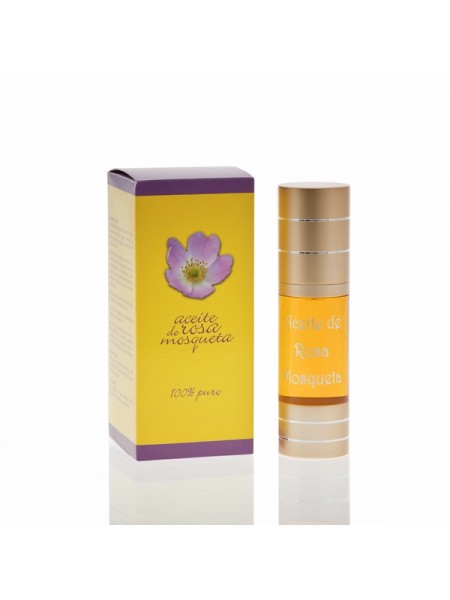
Pure Rosehip Oil 30 ml – Cold Pressed Facial Oil in Airless Bottle
A versatile option for everyday use.
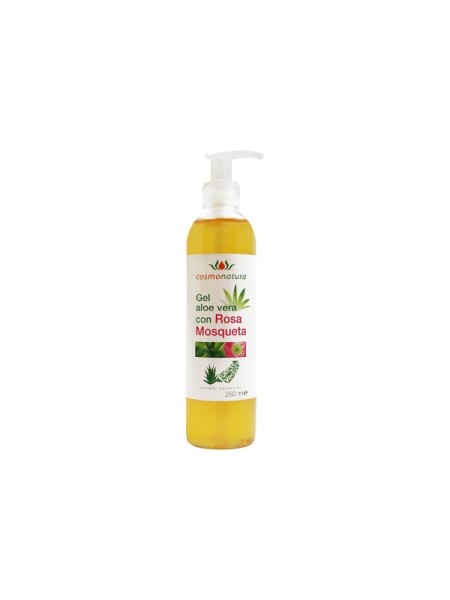
Aloe Vera Gel 100% + Rosehip 250 ml | for cooling face and body hydration
Designed for more specific care needs.
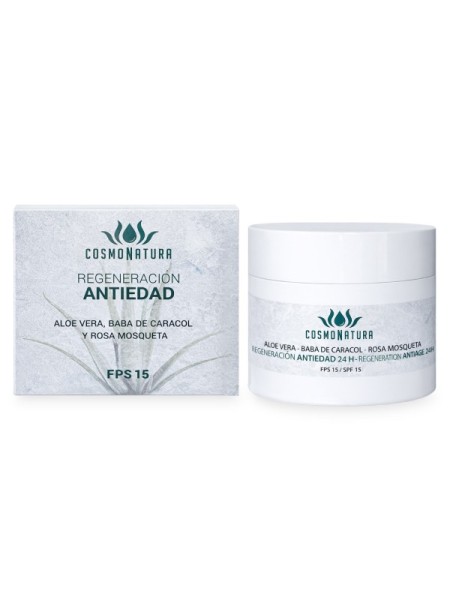
24H Anti-Ageing Cream Aloe-Facecol-Rosehip SPF 15 100 ml | for firming anti-ageing care
A complementary option for a more complete routine.
What aloe vera does best
Aloe vera stands out for its ability to hydrate and soften without overloading the skin. That’s why it’s found in facial gels, soothing lotions, light eye creams and after-sun or after-shave products. It provides an almost immediate feeling of relief and leaves a cleaner finish than more nourishing ingredients.
In a simple routine, aloe vera makes a lot of sense if you’re looking for:
- light hydration for daily use
- soothing feeling after cleansing
- comfortable products for combination, sensitive or shine-prone skin
- fresh formulas for summer or warm climates
It’s also a great partner for other actives. For example, in a routine with hyaluronic acid or vitamin C, aloe vera helps the skin feel more balanced and comfortable. It doesn’t replace a more comprehensive treatment when there’s intense dryness, but it greatly improves the daily experience and consistency.
In body care, its value goes beyond facial skin. Aloe vera gels are widely used for light massages, tired legs or areas that need freshness after exercise. There you can clearly see the well-being and functional care approach so many people seek today: skin that’s cared for and also feels better.
When rosehip oil fits best
Rosehip oil performs best in the area of nourishment and cosmetic repair. It often appears in oils, balms and medium to rich creams, and works especially well when the skin has lost comfort or elasticity. It’s common to turn to it during phases of dry, mature skin or skin challenged by cold, wind or overly aggressive routines.
Its strong point isn’t so much immediate freshness as the feeling of nourished, supported skin. That’s why it’s often favoured at night, when the finish matters less and waking up with more supple, less rough skin is what counts.
Rosehip oil can be a good choice if you’re looking for:
- extra nourishment for dry or mature skin
- support in cosmetic regeneration routines
- improving comfort in dry areas
- a more enveloping texture that seals in hydration better
That said, it’s not always the best first option for everyone. On combination or oily skin, a pure rosehip oil can feel too heavy if applied in excess. In those cases, it usually works better within a balanced cream or only on specific areas.
Aloe vera or rosehip oil for dry, sensitive or mature skin
If your skin is dry, rosehip oil usually has the upper hand, especially when dryness comes with a feeling of fragility. Even so, many dry skin types appreciate starting with a hydrating base of aloe vera and then sealing in with a nourishing cream or oil. The issue is rarely choosing one or the other, but using only hydration when nourishment is also needed.
If your skin is sensitive, it’s wise to consider texture and tolerance first. Aloe vera is usually more comfortable when any heavy product irritates. Rosehip oil can work really well if that sensitivity is accompanied by persistent dryness. The most sensible approach is to introduce it gradually and observe how your skin responds.
On mature skin, rosehip oil usually fits very naturally due to its nourishing profile. It provides that more complete care feeling that many people seek over time. Still, aloe vera remains useful, especially in light eye creams, hydrating serums or products that complement actives like retinal or vitamin C without overloading.
Can they be used together?
Yes, and in fact it’s one of the most useful combinations in natural cosmetics. Aloe vera provides water, freshness and comfort. Rosehip oil provides nutrition and helps the skin maintain that hydration better. Together they build a more balanced routine.
An easy way to combine them is to first use a serum or gel with aloe vera and then a cream or oil with rosehip oil. This way the skin gets a light hydrating layer and then a more nourishing product that keeps it comfortable for longer.
You can also split them by time of day. Aloe vera in the morning, when you want fresh and comfortable skin under sunscreen or makeup. Rosehip oil at night, when the skin appreciates a richer, more repairing texture. This option usually works very well for dry, sensitive or mature skin.
How to choose the right product, not just the ingredient
Here’s the part that most changes the result. It’s not enough to just read aloe vera or rosehip oil on the label. The type of product and what other ingredients it’s combined with matter a lot.
An aloe vera gel can be perfect for hydrating and soothing, but if your skin is very dry it may fall short if not followed by a cream. A cream with rosehip oil can provide a lot of comfort, but if it also includes calendula or hyaluronic acid, the effect is usually more complete. And if your routine targets signs of aging, combining rosehip oil with actives like retinal or vitamin C may make more sense than using it alone.
The same happens in body care. For a feeling of relief and freshness, aloe vera often takes center stage, especially when combined with menthol or botanical extracts aimed at muscle relaxation. For dry areas or skin that needs to regain softness, rosehip oil and calendula usually offer a very interesting boost.
So, which one suits you best?
If you want a short answer, here it is. Choose aloe vera if your priority is to hydrate, refresh and soothe with a lightweight texture. Choose rosehip oil if you’re looking for nourishment, comfort and support in your skin’s cosmetic regeneration. If your skin alternates between sensitivity and dryness, you probably don’t need to give up either.
The best decision is usually a practical one. Think about how your skin feels at the end of the day, how it reacts after cleansing and which texture truly feels comfortable. A simple routine that you’ll stick with always works better than an excellent product that ends up collecting dust on the shelf.
At Aloeveraymas, we work a lot with this idea: combining natural care, hydration and real well-being to make choosing easier and the results more useful in daily life.
If you’re torn between aloe vera or rosehip oil, don’t look for an absolute winner. Choose the ingredient that best responds to what your skin is asking for today.


